VLSI Korea
Fujitsu MONAKA CPU sales, Korea chip exports and AI infrastructure | Daily Silicon
Ten developments spanning Fujitsu MONAKA, Korean exports, Anthropic’s pacing proposal, optics and memory financing, power and semiconductor water reuse.


🆓 Free article · Anyone can read this article for free
Executive Summary
- Fujitsu takes its 2nm MONAKA CPU beyond its own servers
- Anthropic’s pacing proposal is not a GPU cancellation notice
- Korea’s ICT exports reach $59.98bn, while displays move the other way
- Compal and Exascale will test 800VDC with GPUs and cooling together
- Ligent’s Hong Kong offering brings capital into the optics race
- Longsys lists in Hong Kong, earmarking 78.3% for R&D
- Soluna completes 83MW, not a running 166MW AI campus
- Korea–Vietnam export-control dialogue puts local compliance in focus
- Intel’s Linux NPU driver adds Ubuntu 26.04 support
- ASU will test semiconductor water reuse beyond the laboratory
01 Fujitsu takes its 2nm MONAKA CPU beyond its own servers
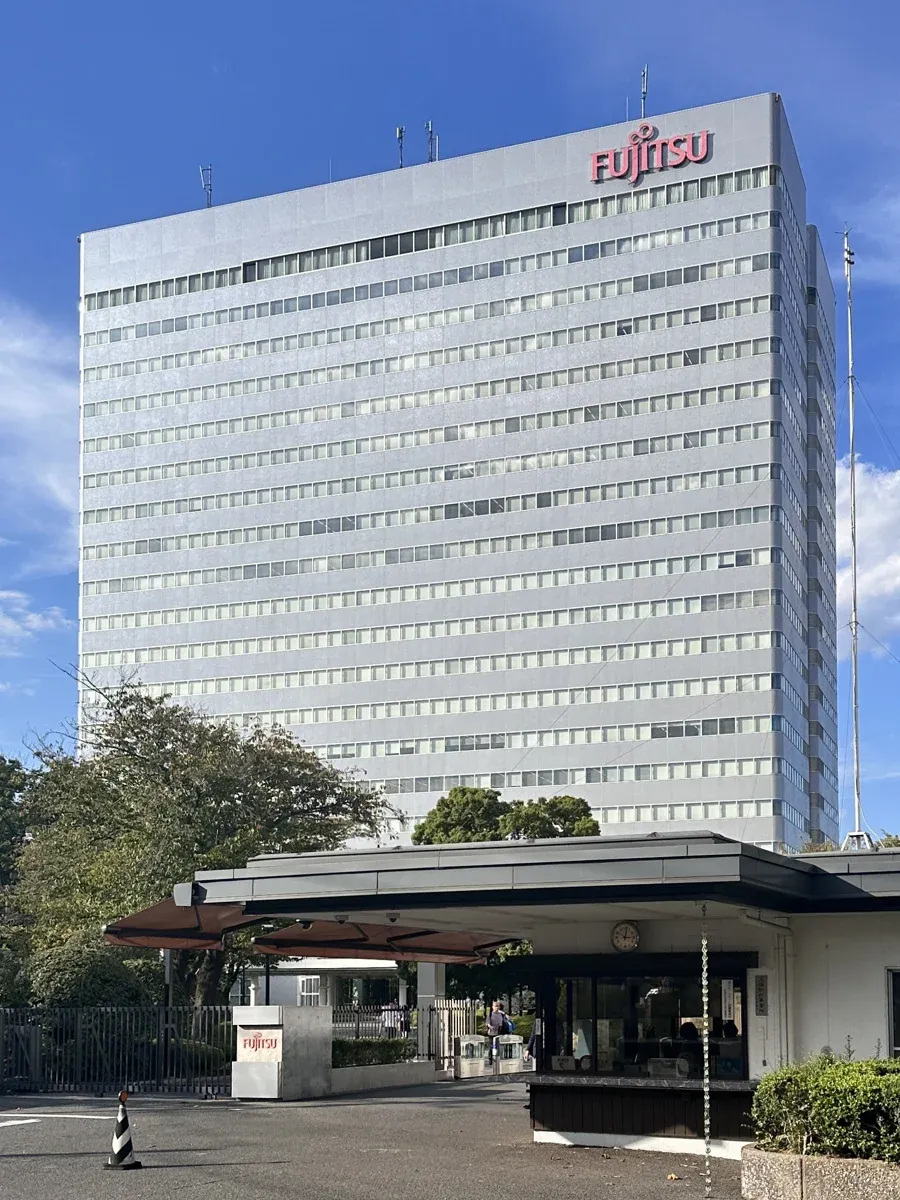
TL;DR Fujitsu announced November sales for standalone MONAKA processors and servers built around them. Selling to cloud operators and other server vendors would broaden the Arm server CPU choice beyond Fujitsu’s own systems.
The design combines 144 cores and 12 DDR5 channels with 2nm core silicon and 5nm SRAM/I/O dies. Matching processes to functions avoids putting every circuit on the most expensive node.
The claimed twofold inference throughput over competing CPUs is a manufacturer claim. Buyers need comparable models, precision and concurrency, plus software-porting costs. Opening sales is also different from completing customer deployments.
Sources · Fujitsu · MONAKA specifications (2026-09-14)
02 Anthropic’s pacing proposal is not a GPU cancellation notice

TL;DR Dario Amodei proposed giving safety verification time to catch up with AI capability gains. Anthropic committed to embedded external evaluators, but did not announce a training halt or cancelled semiconductor purchases.
Catch-up: this 2026-09-12 development was not covered in earlier Daily editions; it is not a new event today.
The framework separates embedded evaluators, coordination within democracies and global cooperation. A unilateral company commitment is different from measures requiring industry or government agreement.
Chip-demand analysis also needs to separate new-model training from inference for services already in use. Longer release intervals do not establish a proportional fall in total computing demand. Actual spending plans and contract changes are the next evidence to watch.
Sources · Dario Amodei · Publication date: TechCrunch, September 12 (2026-09-12)
03 Korea’s ICT exports reach $59.98bn, while displays move the other way
TL;DR Korean ICT exports reached $59.98bn in August, up 162.6% year on year. Semiconductor export value rose 209.0%, while displays fell 7.0%: the IT upturn is uneven.
The September 14 monthly release puts ICT at 61.0% of national exports. Alongside strong AI demand, the ministries identify lower prices for some finished-product OLED panels.
Export value combines price and volume. Its growth rate cannot be substituted for wafer shipments or individual-company profit growth. This is also a different reporting period from the first ten days of September covered earlier.
Sources · MOTIR / MSIT (2026-09-14)
04 Compal and Exascale will test 800VDC with GPUs and cooling together
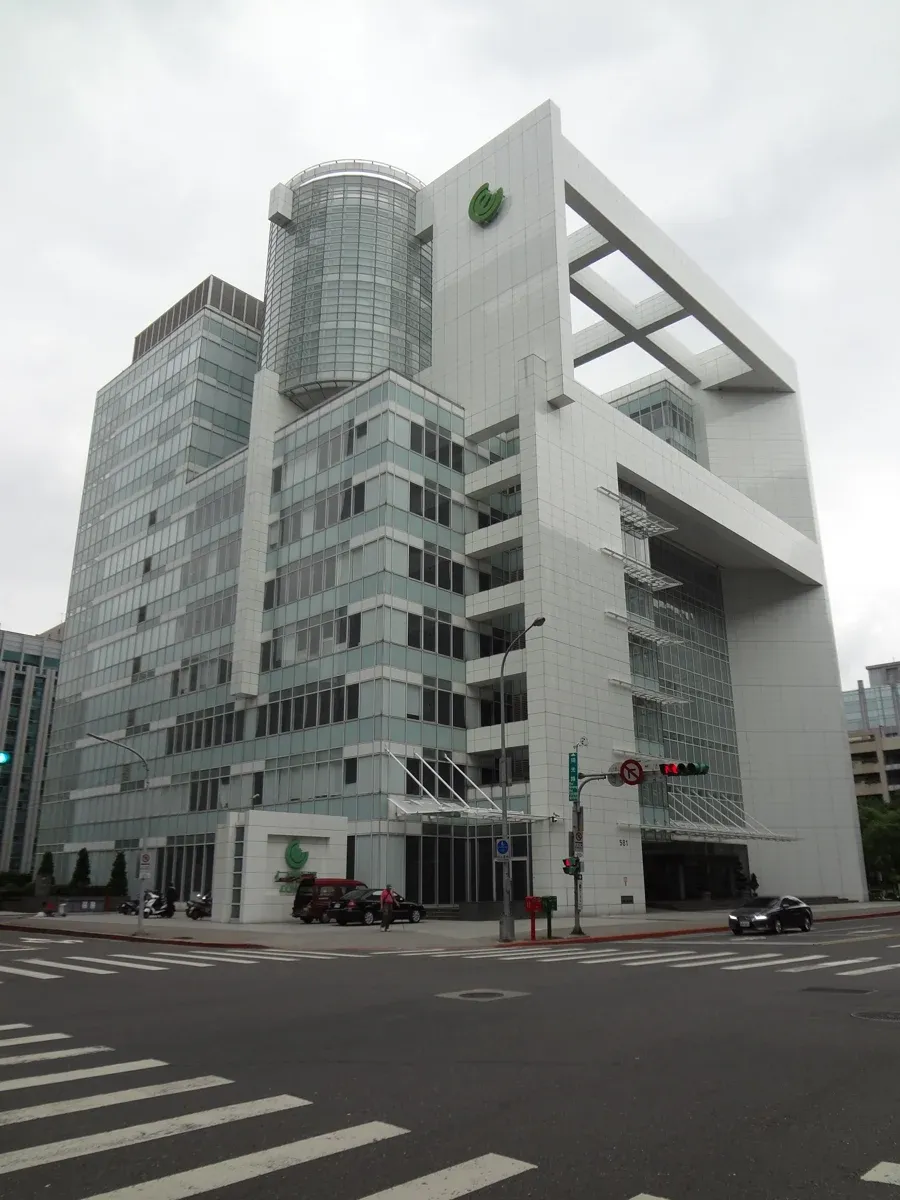
TL;DR Compal and Exascale Labs signed a letter of intent for a US GPU infrastructure validation platform using native 800VDC. The plan brings power, servers, liquid cooling and controls into one test environment.
Compal would provide the site, GPU servers and cooling, while Exascale would supply solid-state-transformer and modular infrastructure systems. Higher rack density makes interfaces and fault response as important as component efficiency.
This remains a letter of intent. Compal’s intended equipment acquisition depends on acceptance testing and a definitive agreement, with pricing not finalized. Integration results and certification progress come before counting production orders.
Sources · Compal / Exascale Labs (2026-09-14)
05 Ligent’s Hong Kong offering brings capital into the optics race
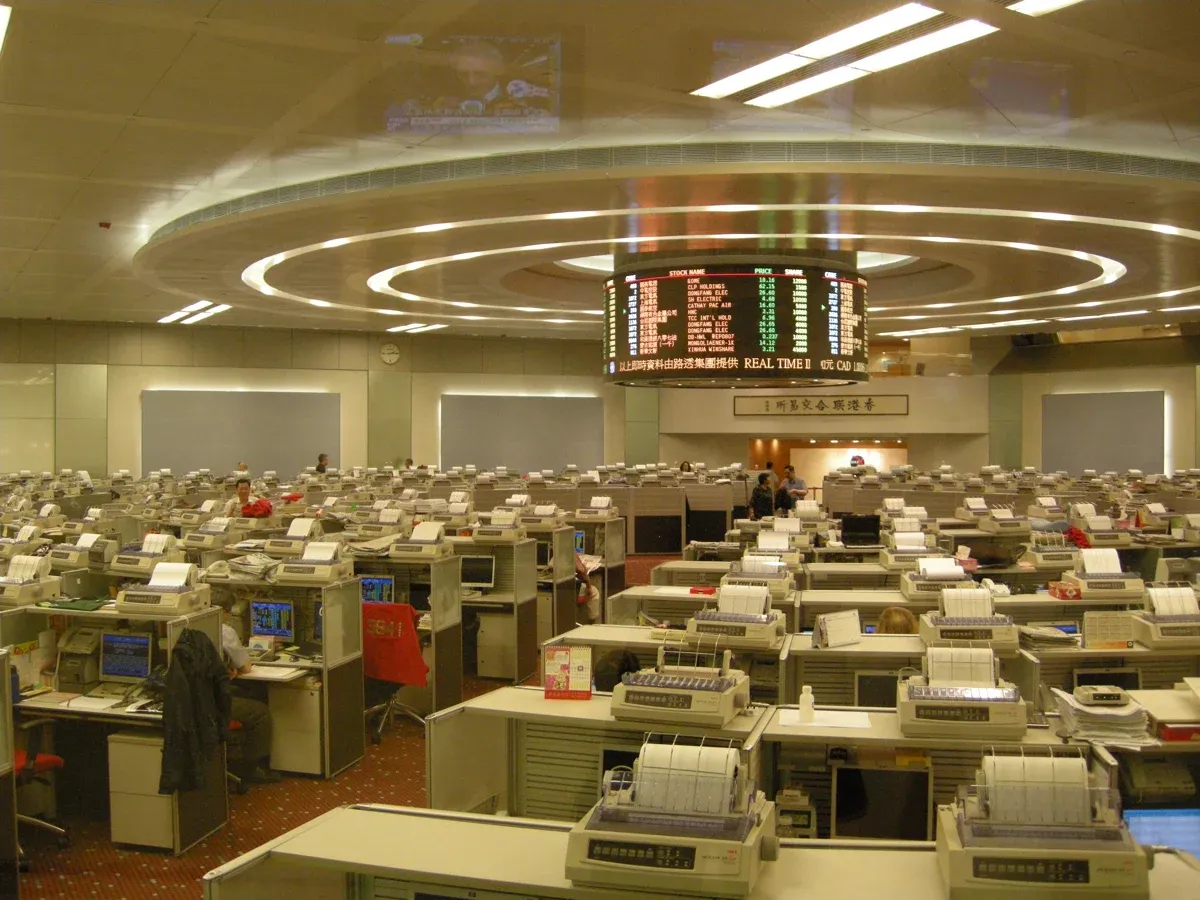
TL;DR Optical-transceiver and chip supplier Ligent began its Hong Kong public offering on September 14. The prospectus lists an HK$32.96 offer price; September 22 trading remains scheduled rather than completed.
The issuer says it began offering 1.6T transceivers this year and delivered 3.2T NPO samples for customer validation. Samples and volume revenue represent different stages.
Customer qualification, yield, power and thermal constraints matter alongside headline bandwidth. A completed offering would not turn funds instantly into capacity or profit. Subscription results, actual trading and volume-product milestones remain the next checks.
Sources · Ligent prospectus (HKEJ mirror) (2026-09-14)
06 Longsys lists in Hong Kong, earmarking 78.3% for R&D
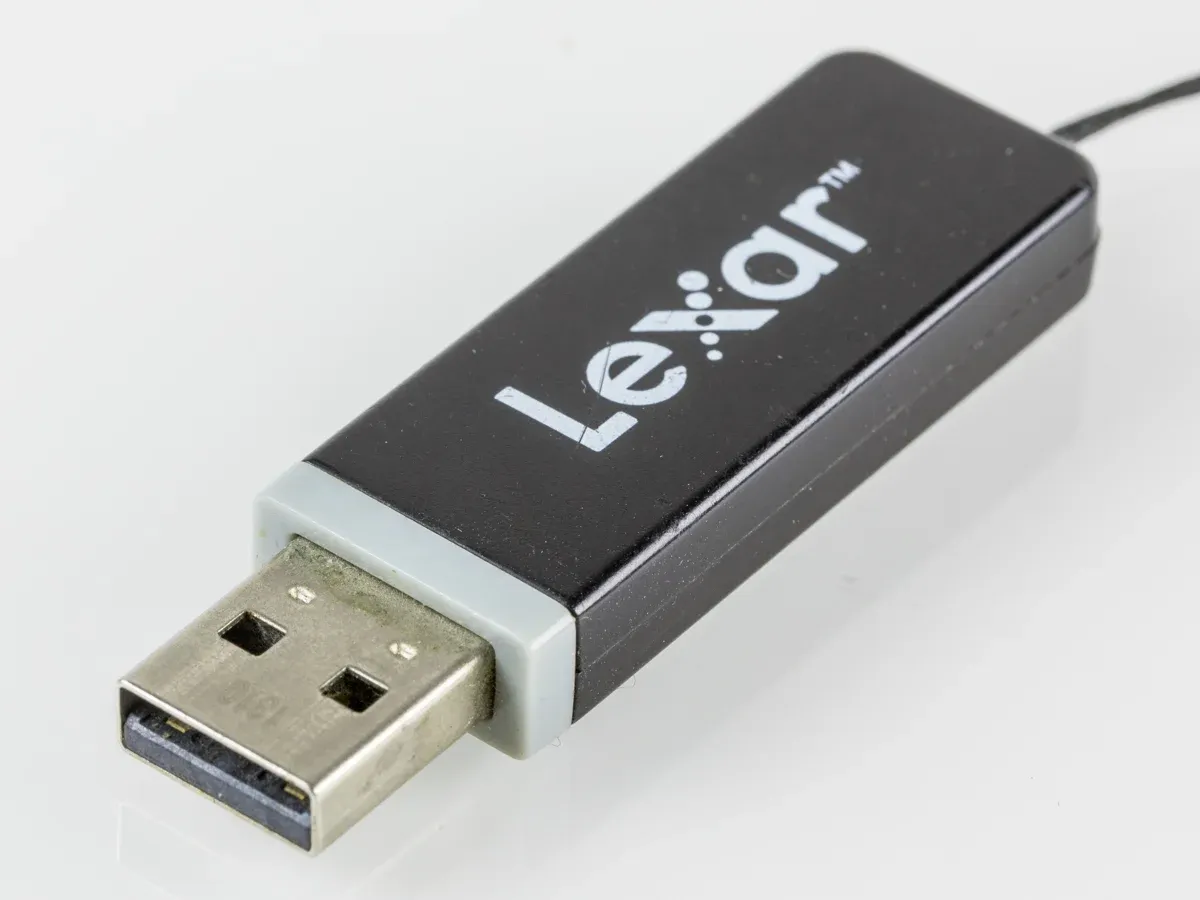
TL;DR Longsys began Hong Kong trading on September 8 and reported approximately HK$6.803bn in net proceeds. It plans to allocate about 78.3% to R&D and innovation, including chip design and high-end storage products.
Catch-up: this 2026-09-08 development was not covered in earlier Daily editions; it is not a new event today.
Memory funding is not confined to the largest wafer manufacturers. Capital for storage design and productization can also affect competition across the supply chain.
This is not a DRAM fab-expansion announcement or evidence of secured customer orders. The useful follow-up is which qualifications and shipments emerge from the planned R&D, and how revenue and inventory evolve together.
Sources · Longsys (2026-09-09)
07 Soluna completes 83MW, not a running 166MW AI campus
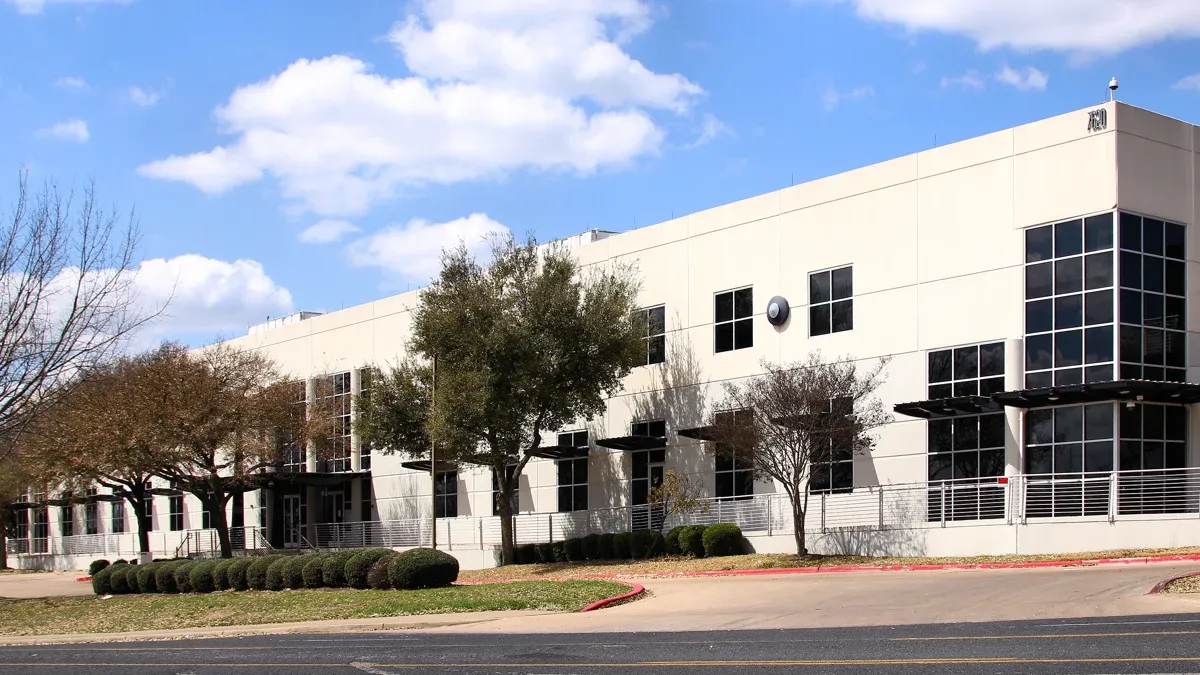
TL;DR Soluna said energizing the final 14MW completed its 83MW Kati 1 site in Texas. ERCOT’s classification for the full 166MW campus remains conditional, while the completed phase serves Bitcoin hosting.
Catch-up: this 2026-09-08 development was not covered in earlier Daily editions; it is not a new event today.
Kati 2 is a separate planned AI/HPC phase. Adding operating capacity, development plans and conditional grid recognition together would overstate running AI infrastructure.
Ordering GPUs does not open a data center. Grid verification, construction and customer-equipment deployment are separate dependencies. Final classification and Kati 2 construction and customer milestones deserve separate tracking.
Sources · Soluna · Business Wire via AOL: publication time (2026-09-08)
08 Korea–Vietnam export-control dialogue puts local compliance in focus

TL;DR MOTIR announced an inaugural Korea–Vietnam export-control dialogue for September 11. The regular channel is intended to help Korean businesses respond to Vietnam’s framework, implemented in June.
Catch-up: this 2026-09-11 development was not covered in earlier Daily editions; it is not a new event today.
The advance announcement also includes official training and site visits, including Samsung Electronics. It does not establish that the meeting granted exemptions or relaxed controls for particular products.
For semiconductor and electronics supply chains, classification, end users and intended use can change the procedures required. Moving production does not itself remove export-control obligations. Implementing guidance and company-specific applicability remain the practical checks.
Sources · MOTIR (2026-09-11)
09 Intel’s Linux NPU driver adds Ubuntu 26.04 support
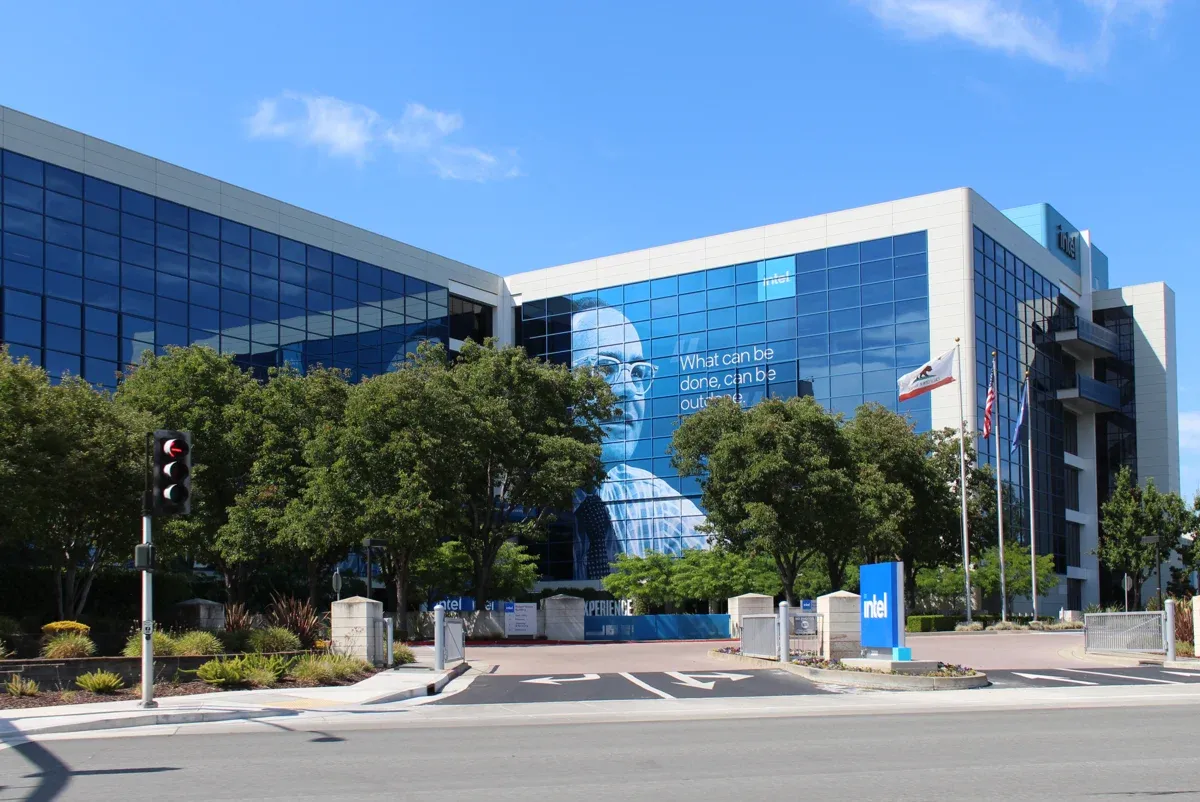
TL;DR Intel’s Linux NPU driver v1.38.0 adds Ubuntu 26.04 LTS support. For teams deploying NPU-equipped PCs on Linux, the supported software combination matters alongside compute specifications.
Catch-up: this 2026-09-11 development was not covered in earlier Daily editions; it is not a new event today.
The release lists operating-system, kernel and firmware combinations across Core platforms, plus OpenVINO 2026.3.1. Check the deployment against those combinations rather than treating it as a package-only update.
Official support does not establish faster inference or NPU execution for every model. Conversion, supported operations and CPU fallback must be measured together to assess local-AI power and latency benefits.
Sources · Intel GitHub release (2026-09-11)
10 ASU will test semiconductor water reuse beyond the laboratory

TL;DR Arizona’s congressional delegation announced $2,062,000 in federal funding for ASU semiconductor water-reuse work. The objective is to measure savings and costs under manufacturing-representative conditions, beyond promising laboratory results.
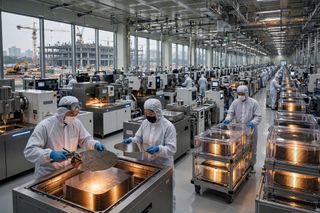
The NIST award supports a mobile pilot testbed followed by validation at ASU Macro Technology Works. Quarterly reviews will select technologies to advance; measured savings and commercial outcomes have not yet been established.
A fab needs more than a high water-reuse percentage. Required quality must remain stable at an acceptable treatment cost and operating burden. How closely the eventual data represent production conditions may matter more than the funding headline.
Sources · Rep. Greg Stanton / Arizona delegation (2026-09-14)
Silicon Market · 15
13 US listings use TradingView; two Korean listings use Naver links. Quotes are dynamic and may be delayed. Closing snapshots and ±3% mover research checks remain incomplete.
Allow external services in cookie settings to show the chart.
All 15 semiconductor stocks
Samsung Electronics · 005930 · Naver Finance
SK hynix · 000660 · Naver Finance
Frequently Asked Questions
What is Fujitsu's MONAKA processor configuration?
Fujitsu announced November sales for standalone MONAKA processors and servers built around them. The design combines 144 cores and 12 DDR5 channels with 2nm core silicon and 5nm SRAM/I/O dies.
How did Korean ICT exports perform in August?
Korean ICT exports reached $59.98bn in August, up 162.6% year on year, with semiconductor export value up 209.0% and displays down 7.0%. ICT accounted for 61.0% of national exports in the September 14 monthly release.
What did Compal and Exascale Labs agree to test?
The two signed a letter of intent for a US GPU infrastructure validation platform using native 800VDC, bringing power, servers, liquid cooling and controls into one test environment. It remains a letter of intent, dependent on acceptance testing and a definitive agreement.
What did Ligent's Hong Kong offering disclose?
Ligent began its Hong Kong public offering on September 14 at an offer price of HK$32.96, with September 22 trading scheduled rather than completed. The issuer says it began offering 1.6T transceivers this year and delivered 3.2T NPO samples for customer validation.
How will Longsys use its Hong Kong listing proceeds?
Longsys reported approximately HK$6.803bn in net proceeds and plans to allocate about 78.3% to R&D and innovation, including chip design and high-end storage products. It began Hong Kong trading on September 8.
Related reading
- Daily Silicon: Korea's $41.01B Chip Exports, CHIPS R&D and SK Siltron
- Daily Silicon: Korea Chip Exports +180.6%: TSMC 2nm and EDA Costs
- Daily Silicon: DRAM Margins Top HBM, Korea April Chip Exports Surge 174%
- TSMC Eyes Sixth Straight Record Profit; Intel, Qualcomm Hike CPU Prices…
- Global chip sales pass $1T; Broadcom–Anthropic $42B financing | Daily…