VLSI Korea
Daily Silicon: Intel 18A, AI Silicon: 256 Cores, 16 Memory Channels
A practicing semiconductor engineer's daily read on global silicon news - Intel 18A, AI Silicon: 256 Cores, 16 Memory Channels


🆓 무료 글 · 누구나 무료로 읽을 수 있는 글입니다
A practicing semiconductor engineer's daily read on global silicon news:
Intel’s 18A Diamond Rapids puts 256 cores and 16 memory channels on the table, while the 775µm HBM4 ceiling and RISC-V CI show that package and toolchain qualification, not raw compute, are now the next constraint.
Chase's Take - I look at Intel’s 16 memory channels and 128 PCIe Gen6/CXL 3.0 lanes before its 256 cores. As the package grows, bump maps, power grids, and thermal escape routes collide with timing closure in the same table.
Teams attaching next-generation HBM cannot treat 775µm as one package-substrate spec; warpage, underfill, and the burn-in window need one qualification package. The next checkpoint is when 16-Hi HBM customer qualification turns into real production conditions.
1. Intel Hot Chips 2026: Agentic AI Architectures and 18A
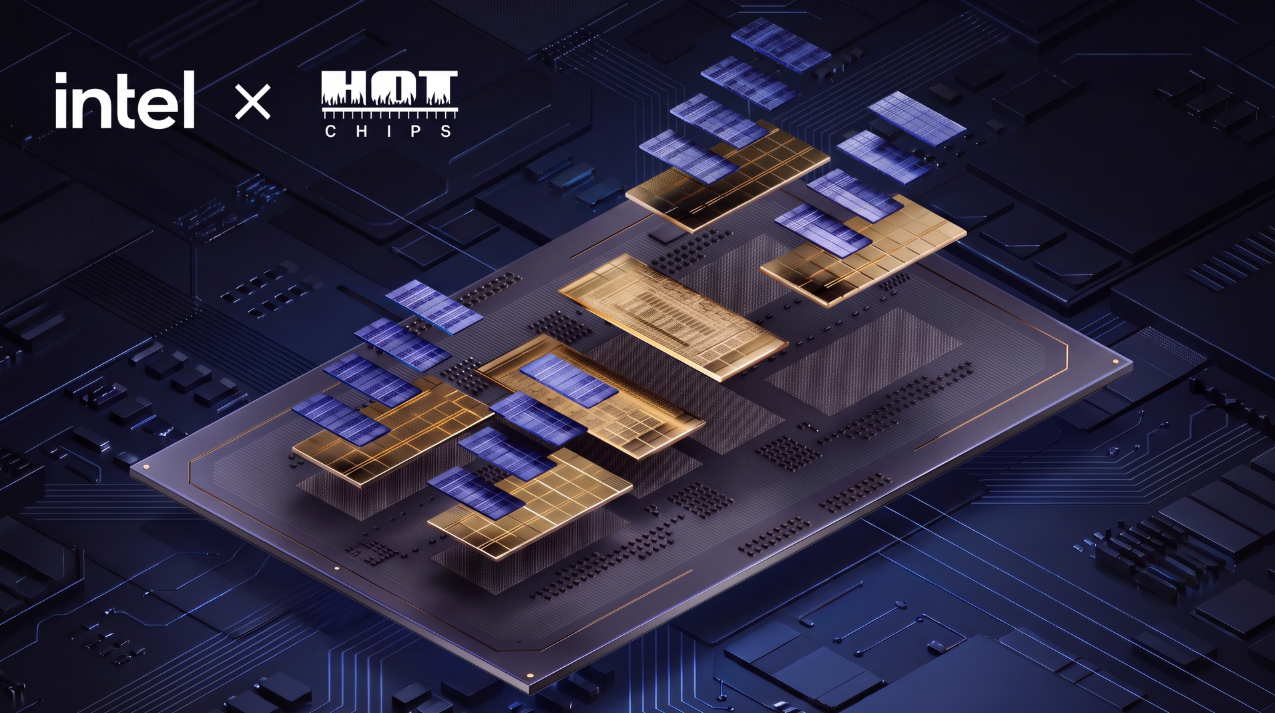
TL;DR - Intel puts up to 256 cores, 16 12,800MT/s memory channels, and 128 PCIe Gen6/CXL 3.0 lanes on 18A-based Diamond Rapids, shifting AI inference constraints from compute to memory and I/O topology.
Source: Intel Newsroom - Intel Hot Chips 2026: Agentic AI Architectures and 18A
2. SK hynix Hot Chips 2026: Hybrid Bonding, HBM5, and the 775-Micron Ceiling
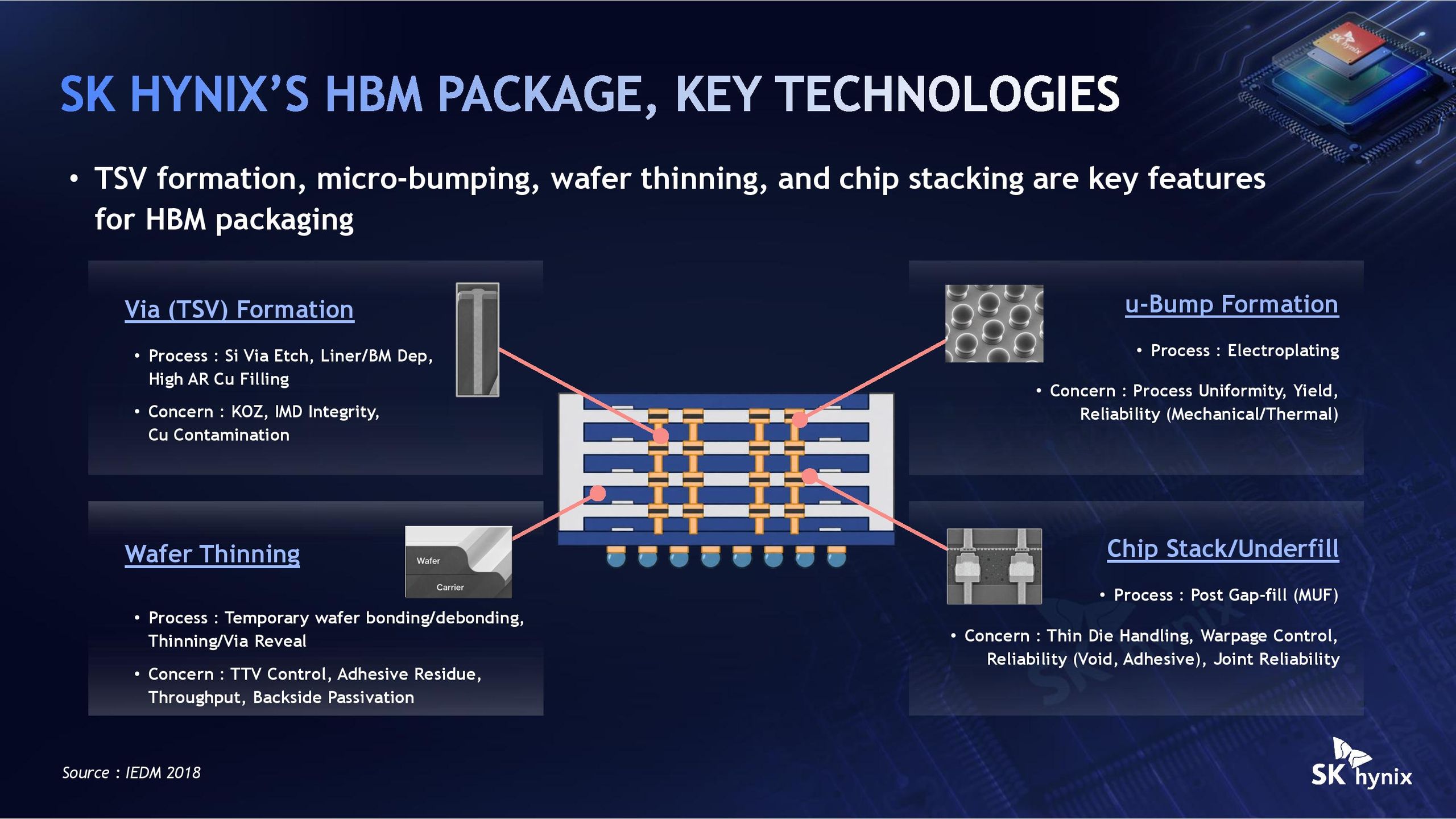
TL;DR - SK hynix’s 16-Hi HBM customer qualification and 775µm stack-height ceiling show that warpage, thermal paths, and bonding windows arrive before bandwidth headlines.
Source: Tom's Hardware - SK hynix Hot Chips 2026: Hybrid Bonding, HBM5, and the 775-Micron Ceiling
3. Infineon Acquires C2i Semiconductors: AI-Server Multiphase Control
TL;DR - Infineon’s C2i acquisition turns the AI-server board voltage regulator from a component choice into a software-defined multiphase-control problem.
Source: Infineon - Infineon Acquires C2i Semiconductors: AI-Server Multiphase Control
4. STMicroelectronics NUS HELIX: 4-Year Edge-AI Memory Architecture
TL;DR - The 4-year STMicroelectronics-NUS HELIX lab treats edge AI as a coupled problem of memory-centric architecture, in-memory compute, embedded memory, and chiplet integration.
Source: STMicroelectronics - STMicroelectronics NUS HELIX: 4-Year Edge-AI Memory Architecture
What to Watch Next
- NVIDIA FY2027 Q2 earnings on 8/26
The next P0 date for rechecking HBM and AI-accelerator demand in the numbers. - SK hynix 16-Hi HBM customer qualification
Production transition for the 48GB cube must validate stack height, thermal path, and package yield together. - Infineon’s C2i deal close and product integration
This shows whether software-defined multiphase control enters real AI-server reference designs. - CPython RISC-V upstream CI integration
The test is whether Tier 3 support becomes a repeatable release process with buildbot and ABI tests.
Signal Radar - More Headlines
- CPython RISC-V Tier 3: Python Buildbot CI Is the Next Step (Python Insider)
- BigSky 2U Reveals RISC-V Server Memory and I/O Configuration (SiFive)
- Micron’s Boise Training Center Recreates 20 Process Tools (Micron Technology)
- Samsung Puts 4nm and 2,048 I/O on Its HBM4 Base Die (Hardwareluxx)
- Modutek Previews SmartFAB AI Engine for Wet Processing (Modutek)
- Verification’s Question Shifts From Capability to Silicon Confidence (Siemens EDA)
- 1.6T SiPh and Advanced-Packaging Metrology Head to SEMICON Taiwan (SEMICON Taiwan)
- Renesas Says Naka Fab Saw No Production Impact After Ibaraki Earthquake (Renesas)
- Below 2nm, Multi-Die Assembly Moves Beyond Reticle Area (Semiconductor Engineering)
- EUV Underlayer Research Reopens the Dose-Reduction Test (SemiWiki)
- PQ-IC to Exhibit a Quantum-Safe Hardware Root of Trust (SEMICON Taiwan)
Further Reading on VLSI Korea
- Post-CMP Cleaner: The Defect Contract That Closes Particle Removal and Metal Corrosion Together
Useful technical background for today’s brief. - Weekly Silicon: AI Capex Is Validated in Power, Substrates, and WFE, Not Chips
Useful context on how AI capex shifts into power, substrates, and WFE.
Frequently Asked Questions
What did Intel disclose for Diamond Rapids at Hot Chips 2026?
Intel disclosed up to 256 cores, 16 memory channels at 12,800 MT/s, and 128 PCIe Gen6/CXL 3.0 lanes on 18A-based Diamond Rapids. The focus shifts AI inference constraints from compute to memory and I/O topology.
What is the 775-micron ceiling for HBM?
The 775µm stack-height ceiling is the limit SK hynix cited for 16-Hi HBM. Warpage, thermal paths, and bonding windows must be validated together before the 48GB cube moves to production.
What did Infineon acquire from C2i Semiconductors?
Infineon acquired C2i Semiconductors for AI-server multiphase control. The deal turns the AI-server board voltage regulator into a software-defined multiphase-control problem.
What is the STMicroelectronics-NUS HELIX lab?
HELIX is a 4-year STMicroelectronics-NUS lab. It treats edge AI as a coupled problem of memory-centric architecture, in-memory compute, embedded memory, and chiplet integration.
Related reading
- Daily Silicon: AMD 2nm Defects to Samsung, SK hynix Tests Intel EMIB —…
- Daily Silicon: Intel at $16.1B: AI Chip Design and 18A
- Daily Silicon: Intel 18A-P Risk Production, SK Hynix Nasdaq ADR, TSMC…
- Daily Silicon: Samsung HBM4, NVIDIA CUDA: 4nm Base Die and 2nm SRAM
- Daily Silicon: TSMC Packaging Yield Hits 98% — Cracks in the Cycle Peak
- Daily Silicon: GDI Jumps 13.2% as Photonic Computing Pushes Toward…