VLSI Korea
Huawei Ascend 960, Crux AI Credit and Optical Capacity | Daily Silicon
Ten semiconductor developments: Huawei’s revised Ascend roadmap, reported Crux AI financing, Amazon–Generac, Applied Materials in India and optical connectivity.


🆓 Free article · Anyone can read this article for free
Executive Summary
- Huawei brings Ascend 960 dates forward; system validation comes next
- Crux AI reportedly gets a $22 billion chip loan; TPU economics meet credit
- Amazon–Generac agreement: $8 billion is not a guaranteed order
- Applied Materials plans $5 billion in India over ten years, beyond a single fab
- GlobalFoundries and Marvell expand SiGe capacity for optical links
- Tower and NewPhotonics ship laser-integrated PICs; 6.4T remains ahead
- Euclyd signs more than €200 million; inference needs a memory-aware test
- Delos Data raises more than $100 million for fault-tolerant AI networking
- Fortaegis raises $50 million; FPGA deployment and ASIC plans are distinct
- Asahi Kasei reports an arrest over materials know-how; allegations remain
01 Huawei brings Ascend 960 dates forward; system validation comes next
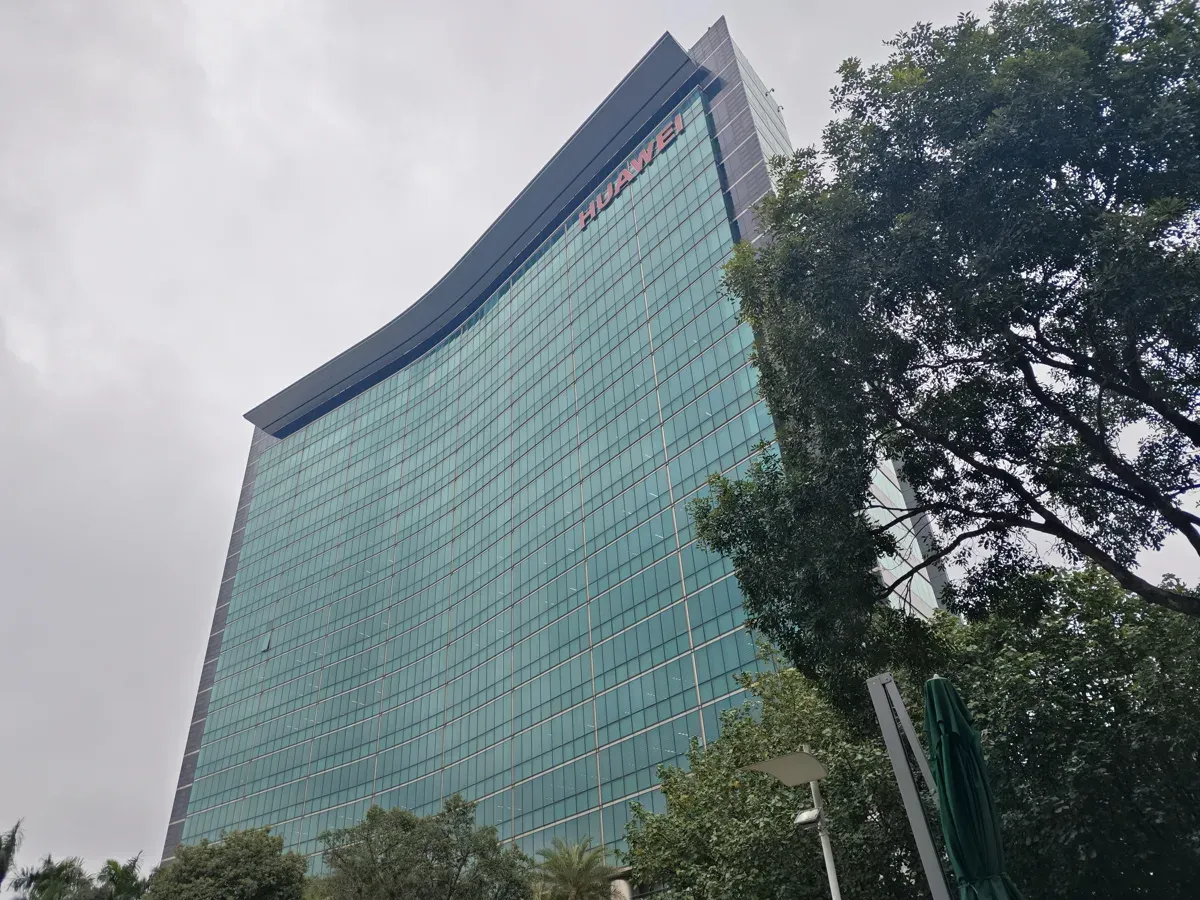
TL;DR Huawei targets Q1 2027 availability for Ascend 960DT and Q3 for 960PR. Those dates are three quarters and one quarter earlier than its prior roadmap, respectively, rather than evidence of completed volume deliveries.
The September 17 announcement also emphasizes near-packaged optics and UnifiedBus. Adding accelerators makes data movement a system-design problem, not merely a matter of more arithmetic units.
For buyers, an earlier roadmap moves platform evaluation forward. It does not establish production yield, available supply or throughput on a customer model; porting kernels and operating the stack remain part of the purchasing decision.
The useful next checks are reproducible results at matching precision and latency, delivery commitments and fault recovery. Vendor performance claims are not independent benchmark results.
Sources · Huawei CONNECT 2026 (2026-09-17)
02 Crux AI reportedly gets a $22 billion chip loan; TPU economics meet credit

TL;DR Reuters reports, citing a source, that ten banks are providing a $22 billion chip loan to Crux AI. The Google–Blackstone cloud venture has not publicly disclosed all financing terms in a definitive transaction filing.
Google’s May announcement described an initial $5 billion Blackstone equity commitment, Google TPU and software support, and a first 500MW target in 2027. That earlier equity commitment and the newly reported loan are different financing instruments.
Our reading: financing makes the useful economic life of accelerators as important as their technical capabilities. A repayment schedule can outlast the period in which a particular generation earns attractive margins.
Investors should look for drawdown conditions and customer commitments; engineers should examine utilization on the intended models. A loan headline is neither revenue nor completed computing capacity.
Sources · Reuters / MarketScreener · Google: original venture announcement (2026-09-16)
03 Amazon–Generac agreement: $8 billion is not a guaranteed order

TL;DR Generac disclosed an Amazon backup-generator supply agreement and a related equity warrant. Expected initial deliveries total $2.4 billion in 2027–2028; the $8 billion figure is a payment threshold tied to additional warrant vesting.
Catch-up on the September 16 announcement, not a new announcement today.
The agreement was signed September 16. Purchases and equity rights are linked, but the vesting threshold is not unconditional booked revenue.
Backup power is part of the cost behind usable accelerator capacity. Installed chips cannot generate reliable service revenue without adequate availability, yet standby generation and normal grid supply solve different problems.
Watch actual deliveries and how procurement matches construction schedules. This contract does not establish that all electricity constraints have been removed.
Sources · Generac SEC 8-K (2026-09-16)
04 Applied Materials plans $5 billion in India over ten years, beyond a single fab
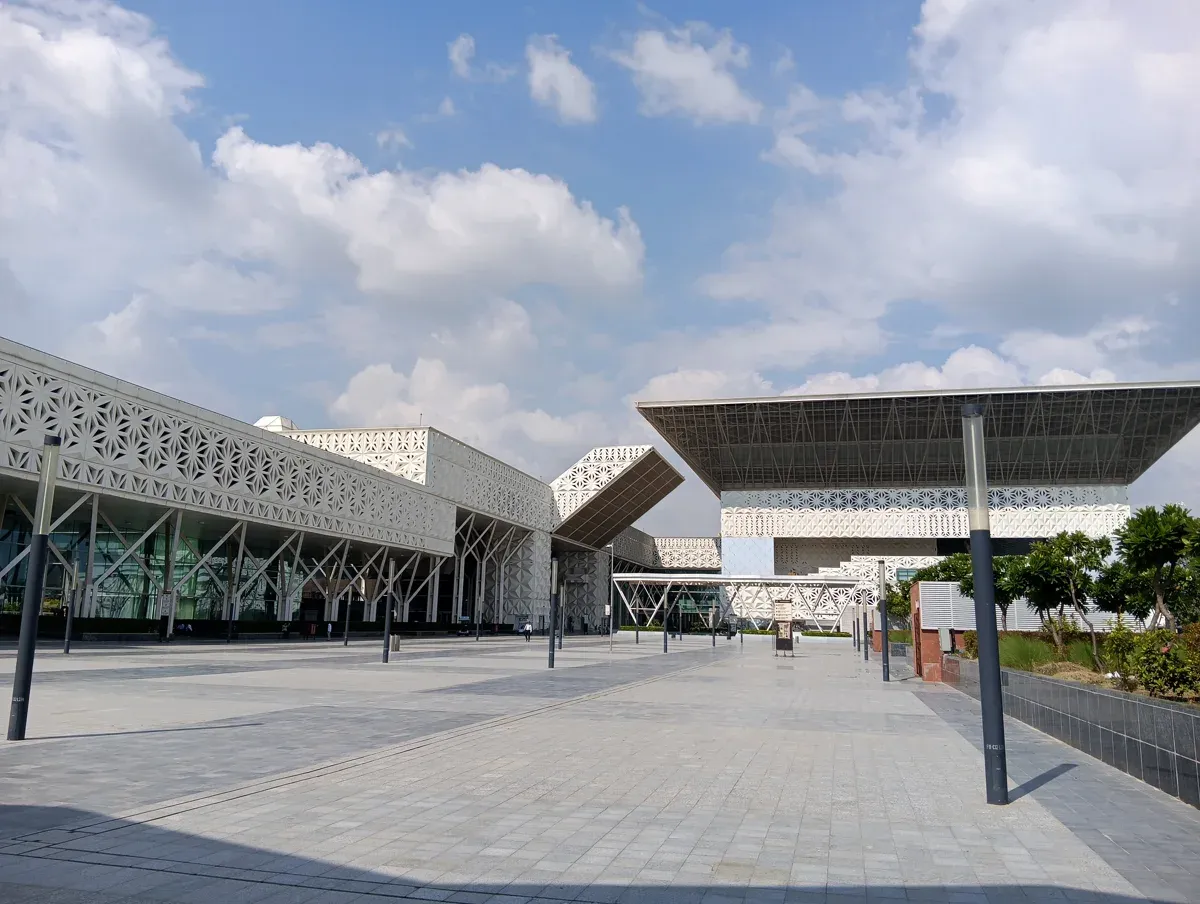
TL;DR Applied Materials announced a $5 billion India investment plan over the next decade at SEMICON India. Research, supply-chain development and workforce expansion are the focus, rather than money already spent on a new chip fab.
The company’s event page confirms its semiconductor-products leader’s September 17 keynote. An equipment ecosystem needs development, qualified components and field support together.
Our interpretation: local suppliers should examine which components enter procurement and how qualification works. A decade-long aggregate cannot be treated as one year of incremental equipment demand.
The next evidence should be phased spending, operational research facilities and supplier selections. Direction is announced; productivity and delivery have to be demonstrated.
Sources · Reuters / Applied Materials · Applied Materials: SEMICON India program (2026-09-17)
05 GlobalFoundries and Marvell expand SiGe capacity for optical links

TL;DR GlobalFoundries and Marvell announced a multiyear agreement to expand SiGe capacity in Burlington, Vermont. It targets optical modules, NPO and CPO for AI infrastructure; financial terms and specific added volumes were not disclosed.
SiGe uses silicon and germanium for high-performance electronic devices. An optical link still needs electrical circuitry. Its role should not be confused with the optical devices in silicon photonics.
The companies say current technology supports 200G per lane and that the agreement builds on existing production. That differs from a first prototype, but does not establish a completed expansion or utilization rate.
For a supply-chain view, track qualification and analog capacity alongside accelerator shipments. The next useful evidence is when added capacity becomes customer volume.
Sources · GlobalFoundries / Marvell (2026-09-17)
06 Tower and NewPhotonics ship laser-integrated PICs; 6.4T remains ahead
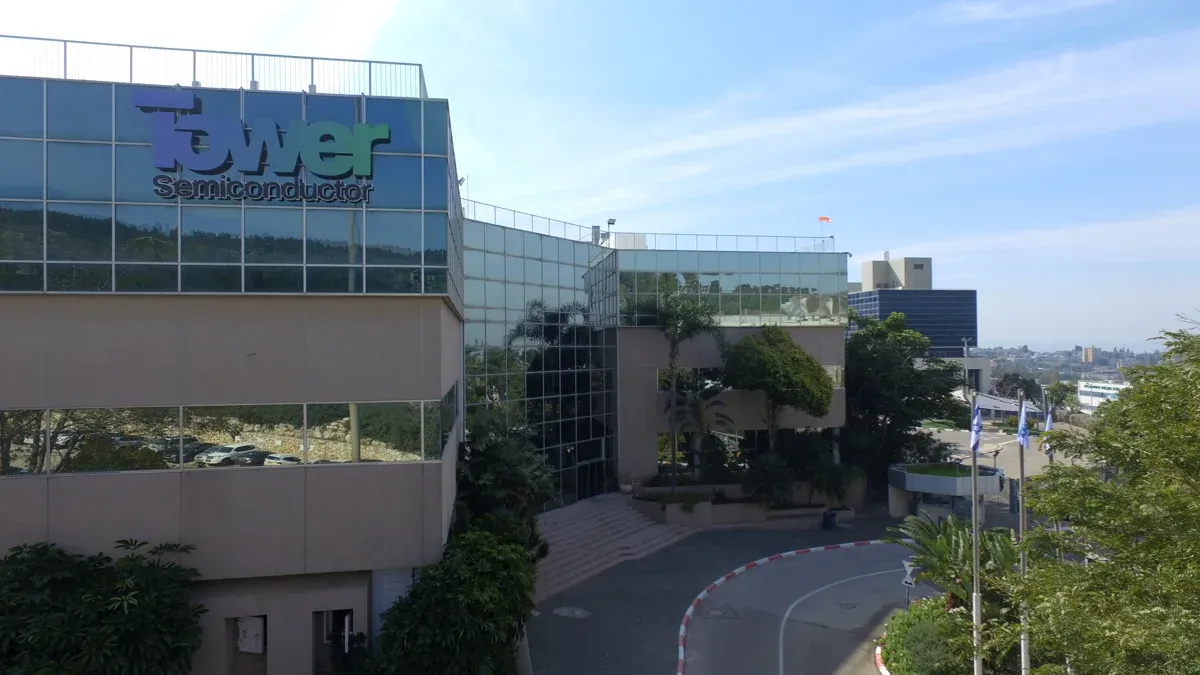
TL;DR Tower and NewPhotonics announced volume shipments of 800G and 1.6T laser-integrated optical-engine PICs. Volume shipments of the 6.4T NPC505 are planned for H1 2027, a separate future milestone.
PH18DA integrates InP components heterogeneously with the photonic platform. Integrated lasers do not mean that pure silicon alone is producing the light.
The companies emphasize serviceable engines. System designers need to evaluate replacement boundaries, cooling and assembly, not just headline bandwidth; those constraints affect operating cost.
Shipment quantities and customer revenue were not disclosed. Current products and future roadmaps should remain separate in a demand model. Deployment and reliability evidence will be needed to judge adoption.
Sources · Tower Semiconductor / NewPhotonics (2026-09-17)
07 Euclyd signs more than €200 million; inference needs a memory-aware test
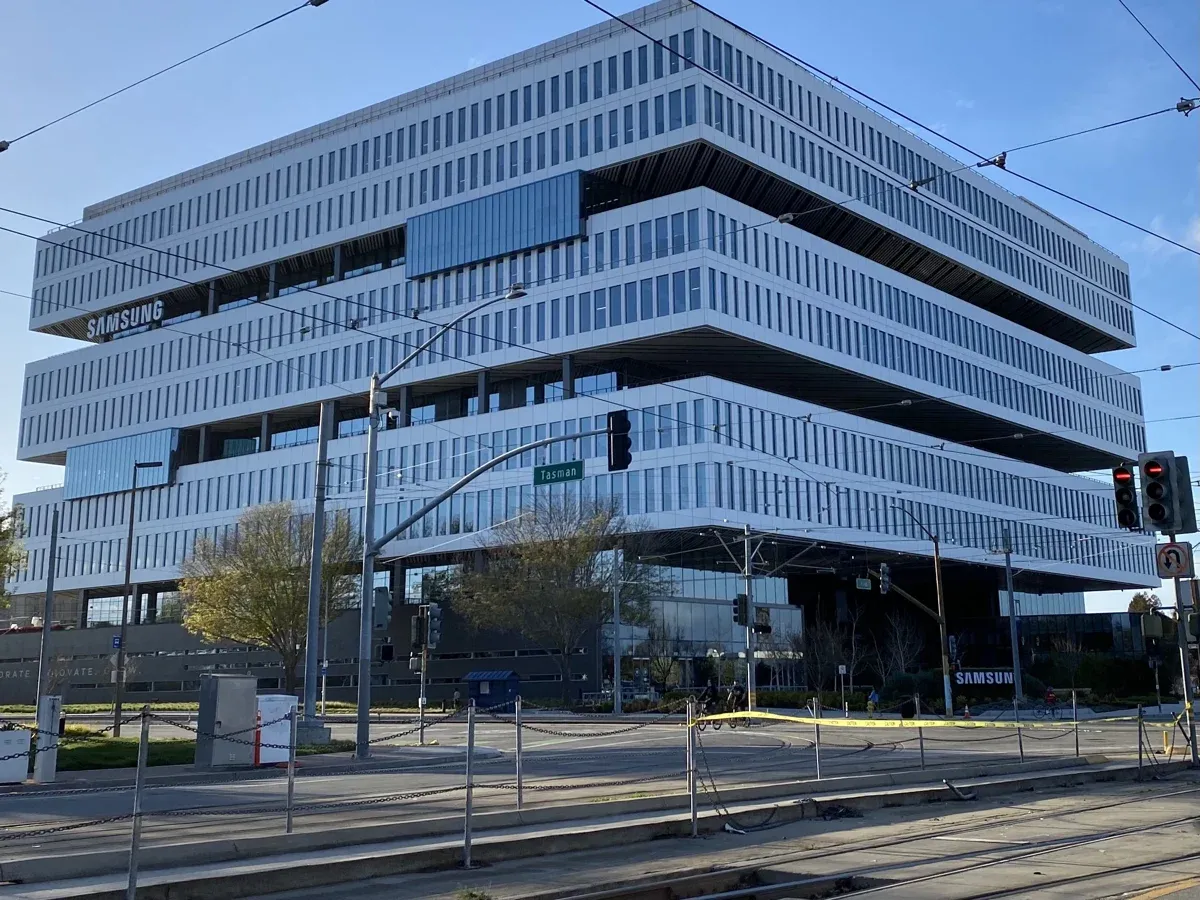
TL;DR Euclyd announced a signed Series A financing round of more than €200 million, with Samsung among the co-leads. The Dutch company is developing an inference platform spanning compute, memory and systems.
Catch-up on the September 15 announcement, not a new announcement today.
The disclosed stage is signing. Funding a silicon roadmap and proving commercial performance are separate milestones. The announcement alone does not establish complete cash receipt or large customer deployments.
Inference bottlenecks depend on models, request lengths and memory access. A useful evaluation should hold workload, service latency and memory conditions constant.
An investor’s participation is not independent performance certification. Reproducible measurements and supported software are the next evidence to watch.
Sources · Euclyd (2026-09-15)
08 Delos Data raises more than $100 million for fault-tolerant AI networking

TL;DR Delos Data announced more than $100 million in funding and its Nonstop AI approach. It targets infrastructure that connects heterogeneous computing resources and keeps workloads running through failures.
Catch-up on the September 15 announcement, not a new announcement today.
Funding will support hardware and software teams, product development and sales. The network problem includes coordination and continuity, not only a faster link.
Engineers should ask what fails in a demonstration: a link, an endpoint or control software. Recovery and preservation of task state are different requirements in each case.
Treat the financing as an infrastructure-development signal. We have not adopted the company’s efficiency or latency multiples as independently verified results. Test conditions and failure scenarios are the next checks.
Sources · Delos Data (2026-09-15)
09 Fortaegis raises $50 million; FPGA deployment and ASIC plans are distinct
TL;DR Fortaegis announced a $50 million Series A led by Serendipity Capital. The company distinguishes commercial expansion of FPGA-based Secure Compute from its future ASIC roadmap.
Catch-up on the September 13 announcement, not a new announcement today.
Named participants include TNO and TEL Venture Capital. The proposed stack covers hardware, firmware and cryptographic software. Evaluation starts with what is protected and what must be trusted.
FPGA flexibility helps validation, but does not establish an ASIC’s power, area or cost. That transition requires separate implementation and verification.
Buyers should request a threat model and the scope of independent assessment. Quantum-era security language is not proof of resistance to every cryptographic or physical attack.
Sources · Fortaegis (2026-09-13)
10 Asahi Kasei reports an arrest over materials know-how; allegations remain
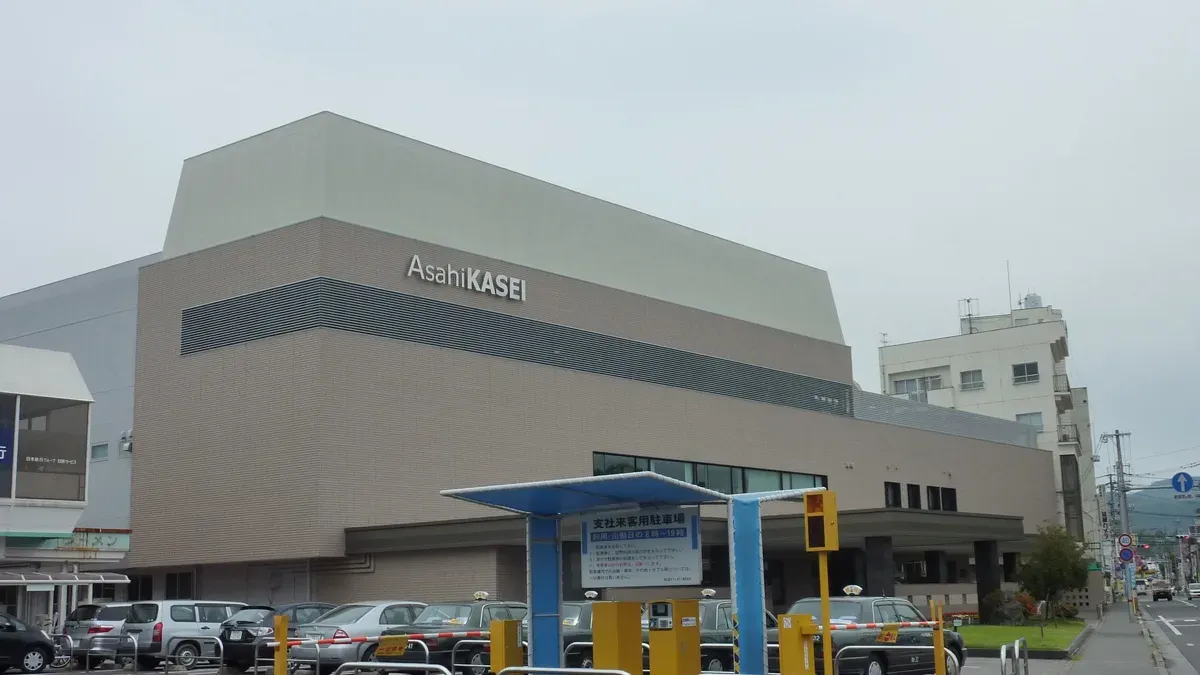
TL;DR Asahi Kasei said a former employee was arrested on suspicion of leaking confidential latent-curing-agent information. The investigation is ongoing; the company’s account is not a conviction.
The company plans civil action and says its own review found no customer-provided technical documents or personal information in the disclosed leak. A planned lawsuit is not established liability.
Separately, its product materials describe latent hardeners for packaging adhesives that balance storage stability and curing. That explains the product category, not the contents of undisclosed leaked documents or damage to a particular customer.
Formulation and process knowledge can matter alongside design files. We do not infer production disruption or a competitor’s yield improvement from this announcement. Investigation and court outcomes remain the next evidence.
Sources · Asahi Kasei · Asahi Kasei: Novacure packaging applications (2026-09-17)
Silicon Market · 15
13 US listings use TradingView; two Korean listings use Naver links. Quotes are dynamic and may be delayed. Closing snapshots and ±3% mover research checks remain incomplete.
Allow external services in cookie settings to show the chart.
All 15 semiconductor stocks
Samsung Electronics · 005930 · Naver Finance
SK hynix · 000660 · Naver Finance
Related reading
- Daily Silicon: TSMC Approves $29.4425B Capacity Plan; RTL Hits a CPU…
- Daily Silicon: Samsung KRW 89.5T Profit, HBM4 and ATE Capacity
- Huawei Ascend 310 to 970: Compensating for Process Constraints with a…
- Microsoft Project Zenith reduces setup. The memory arithmetic remains.
- GALLERIA RTX 5050 laptop: Below JPY 200,000, until shipping