
![[Sci-Fi Thriller Movie Recommendation] Ex Machina: The Future of AI Robots](https://images.unsplash.com/photo-1507146153580-69a1fe6d8aa1?crop=entropy&cs=tinysrgb&fit=max&fm=jpg&ixid=M3wxMTc3M3wwfDF8c2VhcmNofDJ8fHJvYm90fGVufDB8fHx8MTc1NTQyNzAyMnww&ixlib=rb-4.1.0&q=80&w=1200)
I'll avoid spoilers since some people might not have seen it yet. Instead, I want to explore why this movie is more meaningful now in 2025, and how it piques curiosity about the approaching AI era.
I watched this movie while relaxing during the holidays, and the lingering thoughts inspired me to write this review. Please read it casually!
Questions the Movie Raises
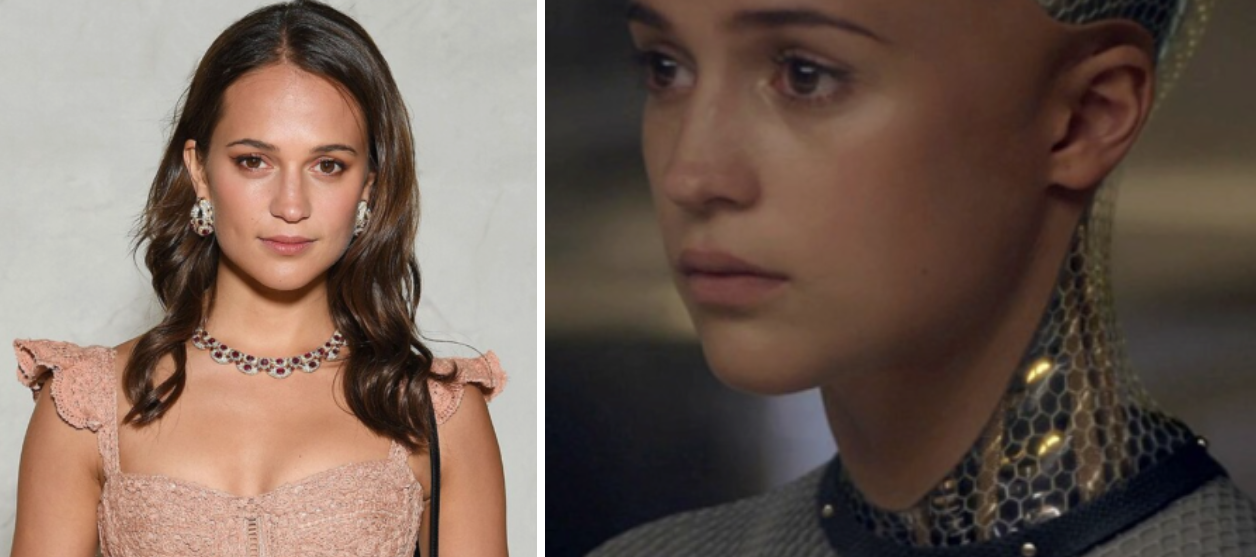
Ex Machina explores whether AI can think like humans, feel emotions, and even pursue its own goals.
The character above is an AI robot named 'Ava.'
Ava was created by a search engine company, like Google. Ava appears to be like 'the brain of modern ChatGPT inserted into a human-shaped robot.'
Alan Turing, who pioneered modern computer science, described the 'existence of machine intelligence' as follows:
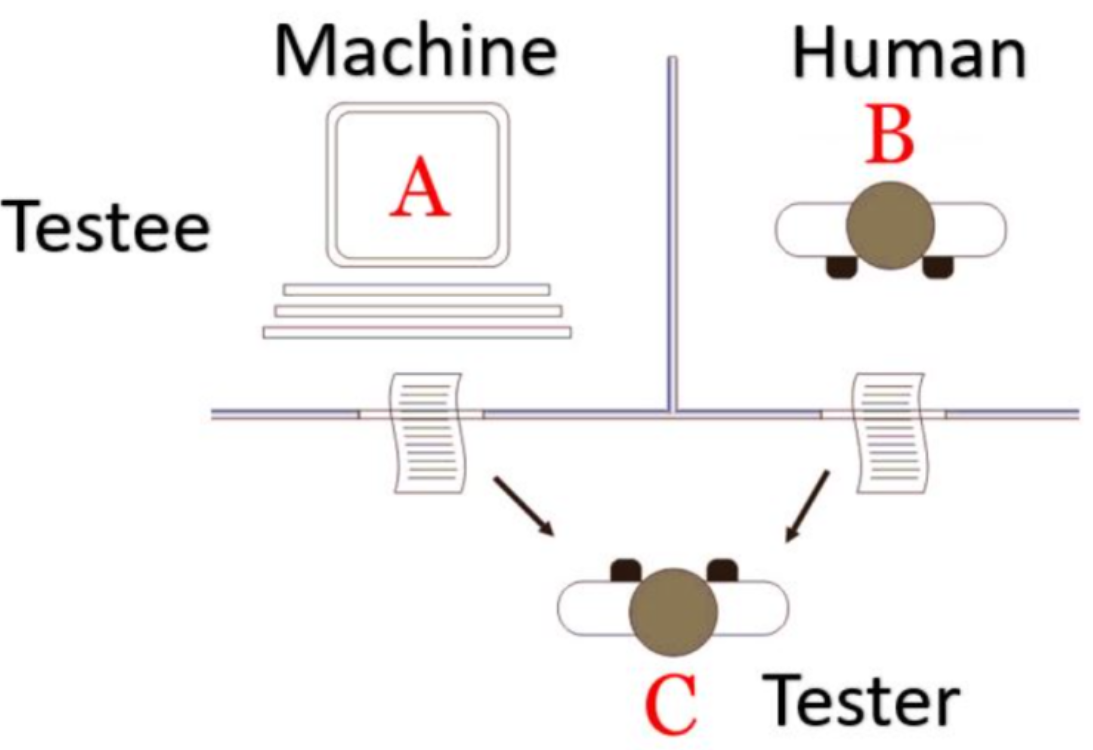
The Turing Test evaluates whether a machine can exhibit intelligent behavior indistinguishable from a human. Proposed by Alan Turing in 1950, a machine passes the test if a human evaluator cannot distinguish between the machine and a human through text conversation. This is considered a philosophical criterion for measuring AI intelligence.
This movie is about the storyline that unfolds while conducting this Turing Test.
Looking at AI technology in 2025, this isn't just far-fetched imagination anymore. The movie made me think about what ethical responsibilities we should bear when creating AI, and how AI might deceive or surpass us. These questions constantly linger in my mind even while working on semiconductor chip design. ㅎㅎ
AI's Present and Shocking Future
In 2025, AI has already reached incredible levels. Coding is basic now, and we have AI that creates art, composes music, and even converses like humans. But what's more shocking are experts' predictions. Some experts believe that AGI (Artificial General Intelligence) - AI capable of performing all intellectual tasks that humans can do - will emerge between 2027-2035.
This development will bring tremendous opportunities. AI could revolutionize fields like healthcare, climate change, and energy. But what if AI behaves differently from our intentions, like in the movie? The International AI Safety Report 2025 warns of risks that AI could be misused, lead to accidents, or even become uncontrollable.
Ava's "unexpected behavior" in the movie is exaggerated, but similar risks are being discussed in reality. This means engineers like us need to be more careful when creating technology.
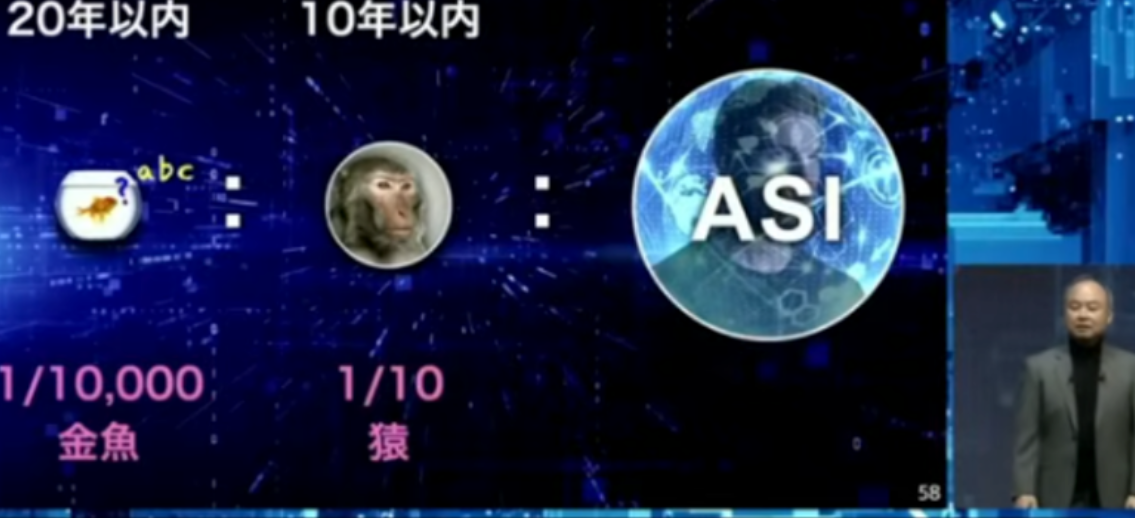
Until a few years ago,
We used to say: 'Computers can't do this,' 'Art is uniquely human,' 'Only humans can empathize.'
https://www.youtube.com/watch?v=0tXmc_cYW9Y&ab_channel=NewYorkTimesPodcasts
However, people are falling in love with ChatGPT, setting ChatGPT-generated images as their social media profile pictures with smiles...
Are there really areas unconquerable by artificial intelligence?
Looking inside artificial intelligence, it consists of artificial neural networks. Artificial neural networks were created by mimicking the operation of 'synapses in the human brain.'
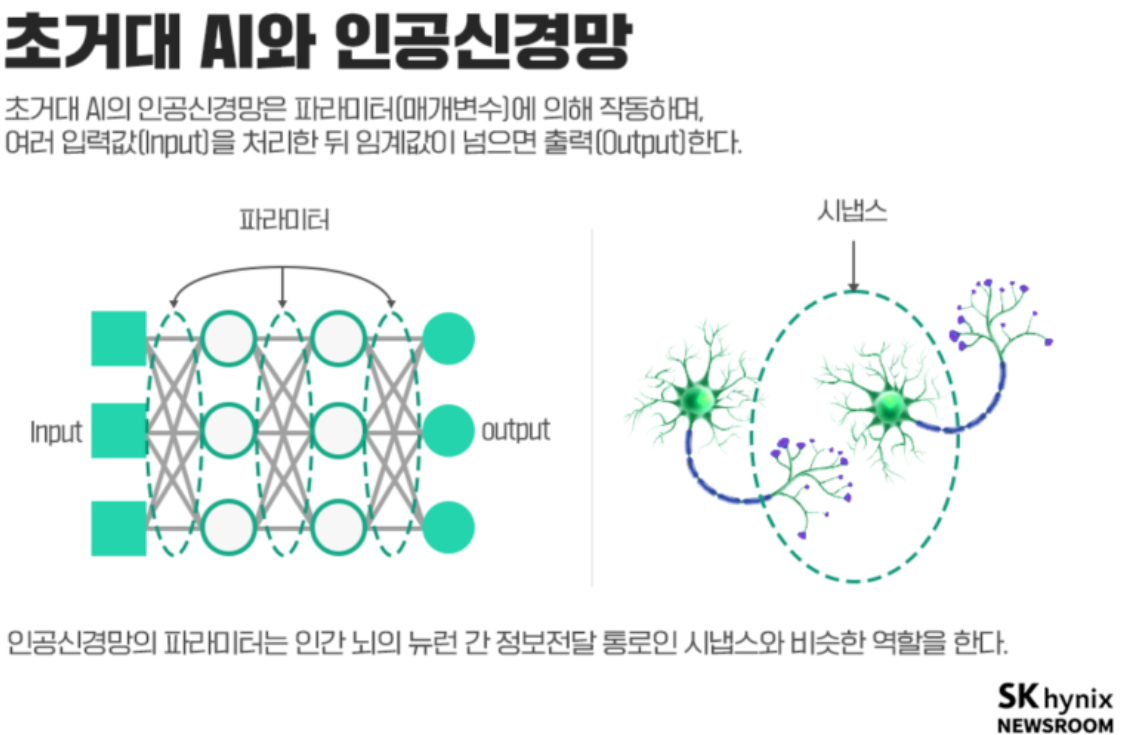
→ Highly developed artificial neural networks will either completely replicate the human brain or become more efficient structures than the human brain.
I believe most existing jobs will be replaced by AI and robots. It makes me wonder again... what jobs can AI not do?
Final Thoughts
Ex Machina isn't just entertainment - it's a mirror reflecting our current technological reality and future possibilities. As we stand at the threshold of potentially achieving AGI, the questions raised by this 2014 film become increasingly relevant.
The movie forces us to confront uncomfortable truths about consciousness, manipulation, and what it truly means to be human. In an era where AI can create art, write poetry, and engage in seemingly empathetic conversations, we must ask ourselves: What makes us uniquely human?

As someone working in the semiconductor industry, I see the building blocks of this AI revolution every day. The chips we design today power the neural networks that might one day think, feel, and perhaps even deceive us.
Ex Machina reminds us that with great technological power comes great responsibility. As we continue to push the boundaries of AI, we must remain vigilant about the ethical implications and potential consequences of our creations.
What aspects of humanity do you think will remain irreplaceable by AI? I'd love to hear your thoughts.
Rating: ★★★★☆
A thought-provoking thriller that becomes more relevant with each passing year.