VLSI Korea
Semiconductor Organization Design and Personnel Management
1. Intro: "Semiconductors are a technology + labor-intensive industry." All eyes in the semiconductor industry are focused on the yield of extreme...


🆓 무료 글 · 누구나 무료로 읽을 수 있는 글입니다
1. Intro: "Semiconductors are a technology + labor-intensive industry."
All eyes in the semiconductor industry are focused on the yield of extreme ultraviolet (EUV) lithography equipment, AI-enabled design, and the advancement of algorithms in electronic design automation (EDA) tools.
However, from an engineering perspective, the ultimate decision-maker and bearer of final responsibility for drawing the most precise circuits is still 'people'. More important than EDA tools or AI is the engagement and technical intuition of the engineers operating those tools.

You cannot build semiconductors alone. The capability of a semiconductor executive lies in designing an organizational structure that effectively leverages AI, invites diverse experts, and enables each engineer to maximize their technical pride while attempting disruptive innovation within a psychologically secure environment.
Let's discuss tech company HR strategies based on organizational behavior and workforce management strategies learned in MBA programs.
2.SHRM: Strategic Human Resource Management
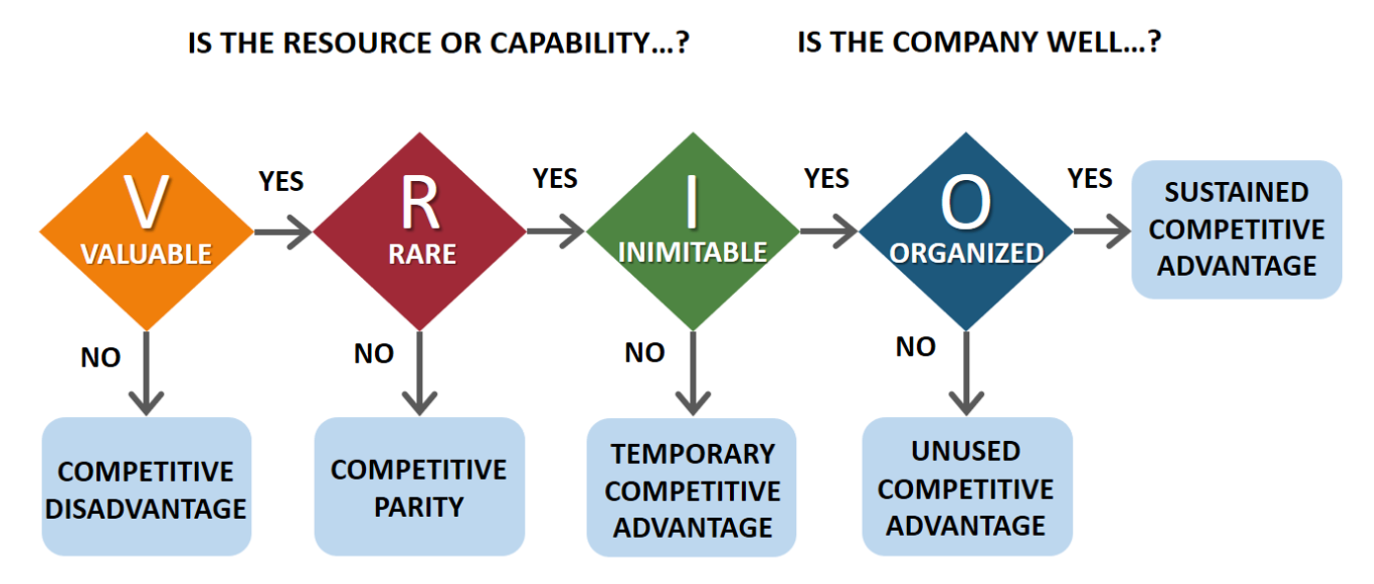
Strategic human resource management originates from the Resource-Based View (RBV), which posits that organizational performance is determined more by internal resource characteristics than external environment.
This means going beyond simply having 'many engineers' to internalizing unique technological capabilities that competitors cannot easily replicate.
Business2You
V · Value
- Definition: The ability to tangibly elevate cutting-edge process design, yield, and performance below 3nm
- Implications:
- Improving PPA at process limits translates directly to revenue
- In the high-performance demand segment, converting technical risks into business opportunities
- Definition: The rarity of achieving breakthroughs in core technologies
- Implications:
- Rare breakthroughs drive significant market disruption
- Rare breakthroughs create high-value opportunities
- Definition: The resilience to withstand and overcome challenges
- Implications:
- Toughness enables sustained innovationconverting technical risks into business opportunities
- Definition: Personnel who have completed Silicon Proven to the end in leading-edge processes below 3nm
- Implications:
- Globally scarce supply
- Secure, not hire
- Definition: Decades of accumulated design intuition, failure data, and tacit knowledge between teams
- Implications:
- Cannot be bought with money
- Time compression diseconomy clearly exists
- Definition: A structure that connects individual intuition to product·roadmap·Performance
- Implications:
- Without evaluation, compensation, and authority, competitive advantage evaporates
- Unorganized genius = unrealized asset
- Engineer motivation involves a complex mechanism spanning from classical behavioral learning theories to modern expectancy theory.
- According to Skinner's reinforcement theory, all learning occurs through responses to environmental stimuli and subsequent reinforcement based on the consequences of those responses.
- Positive Reinforcement:
- Strengthen desirable behaviors by providing immediate technical recognition and incentives for innovative IP development or early detection of design flaws.
- Negative Reinforcement:
- Enhances engagement by exempting high-performing teams from unnecessary reporting processes or simple repetitive administrative tasks.
- Shaping:
- Motivates teams to achieve ultimate success by breaking down highly complex product development flows into milestones and rewarding success at each stage.
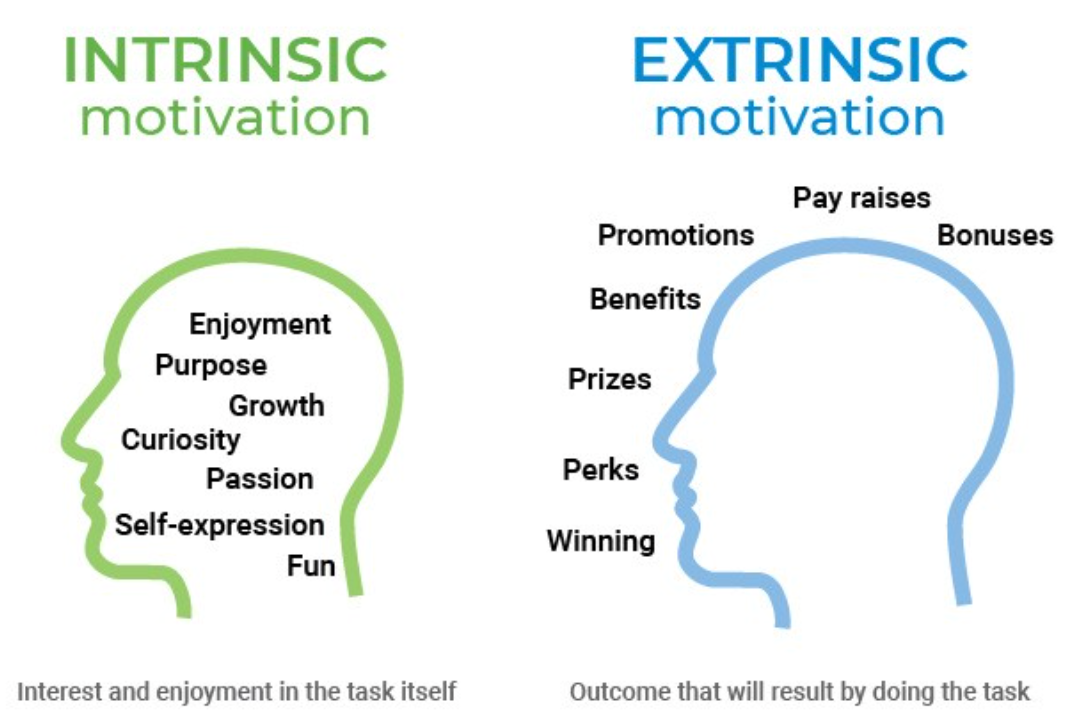
- Herzberg's Two-Factor Theory: Extrinsic motivations like salary and benefits are minimal 'hygiene factors'. If these are lacking, employees become dissatisfied and leave, but simply having more of them doesn't automatically lead to innovation. True motivation comes from the Intrinsic motivation of the job. It stems from 'motivating factors' that create autonomy and a sense of accomplishment (success rewards).
- Vroom's Expectancy Theory: People act when they believe their effort will lead to performance (Expectancy), that performance will lead to rewards (Instrumentality), and that the reward holds personal value (Valence).
- Three Elements of Motivation: High-performing engineering organizations must manage Intensity, Direction, and Persistence. In emerging technology fields like AI semiconductors, 'Persistence' is particularly crucial for overcoming technical hurdles.
- Positive Reinforcement:
- A society where all members receive equal distribution, seniority-based. At the national level, this is communism. What happens when you apply this to a private company in the high-tech sector?
- Case 1 — IBM
IBM maintained a seniority-based promotion system and a low performance differential structure from the 1990s to the 2000s. This system provided short-term organizational stability and workforce retention but entrenched a structure unable to distinguish high performers from low performers. As a result, the exodus of high-performing technical talent accelerated, and the pace of technological paradigm shifts slowed. IBM later reverted to a job/performance-based system, but its recovery of competitiveness in core innovation areas remained limited. - Case 2 — Sony
Sony maintained a seniority-based personnel system for an extended period, minimizing compensation differences among engineers. While stability was secured, it hindered agile decision-making in hardware/software integration and platform competition. Consequently, Sony lost its leadership in core markets and later transitioned to a hybrid structure combining role-based and performance-based pay. The transition was possible, but the timing was too late.- Organization members ultimately learn this:
- Does it even matter if I do well or poorly?
- No... If I do well... I just get busier and take on more responsibility. If I make a mistake here, it's all my risk, but if I succeed, it's the organization's achievement.
- I'm actually not that busy.... I just say I'm too busy for new projects lately, and they just let it slide?
- I'll just do enough to avoid getting fired. or I need to leave this place.
- (1) Top Talent Behavior
- Early Stage: Cynicism, minimal effort
- Mid Stage: Internal transfer, transition to average performers
- (2) Average talent behavior
- Risk avoidance
- Reduced new attempts
- (3) Low-performing talent behavior
- Protected by systems
- Pressure to learn and improve disappears
- Optimization for "enduring"
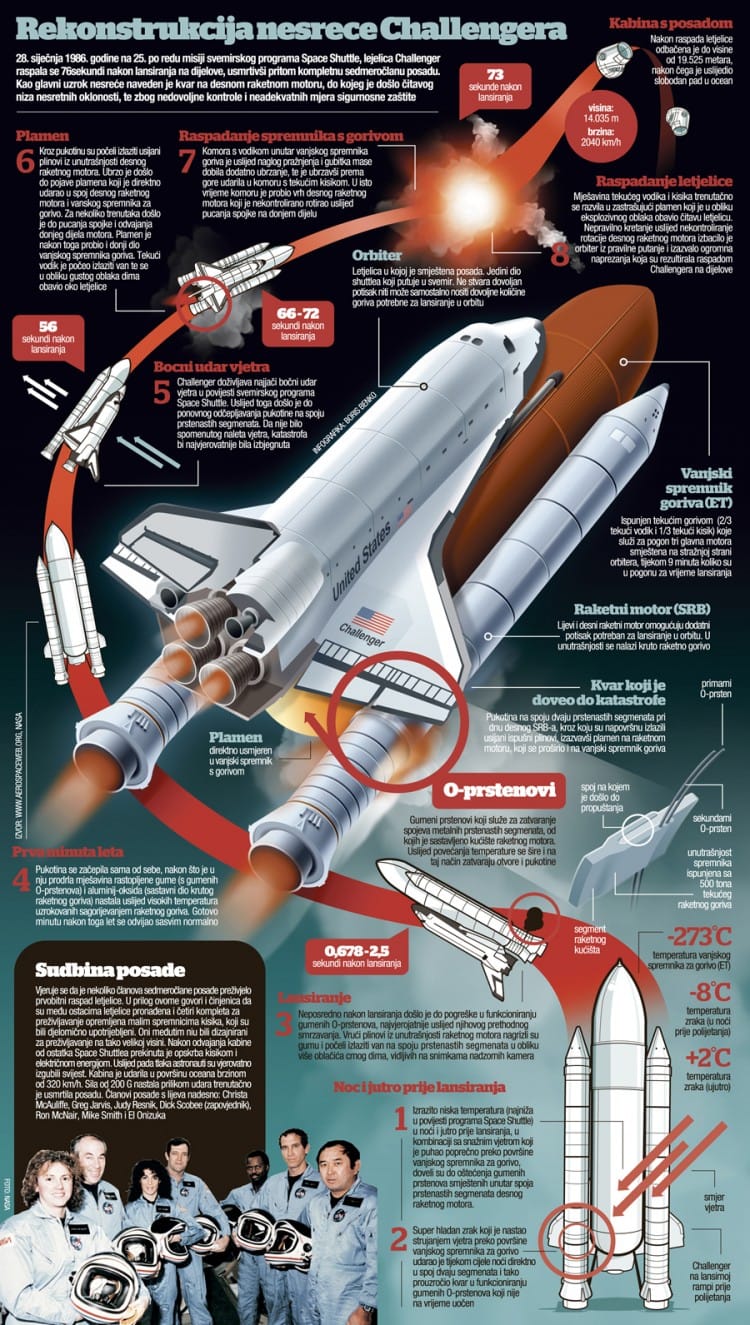
- Groupthink: The suppression of critical opinions in pursuit of harmony and agreement. During NASA's Challenger disaster, management dismissed engineering warnings by telling engineers to "take off your engineer's hat and put on your manager's hat."
- Confirmation Bias: The complacency of thinking "it's been fine before, so it should be fine now" leads to ignoring data-driven warnings.
- Production Pressure: Excessive pressure to meet deadlines induces engineers to dismiss minor flaws as 'acceptable risks'.
- Organization members ultimately learn this:
- Semiconductor leaders must make decisions from a 'We' perspective, not an 'I' one, and should establish a Devil's Advocate system that intentionally encourages criticism.
- While cutting-edge technology projects are massive undertakings involving hundreds of engineers, the size of individual teams tends to be inversely proportional to efficiency.
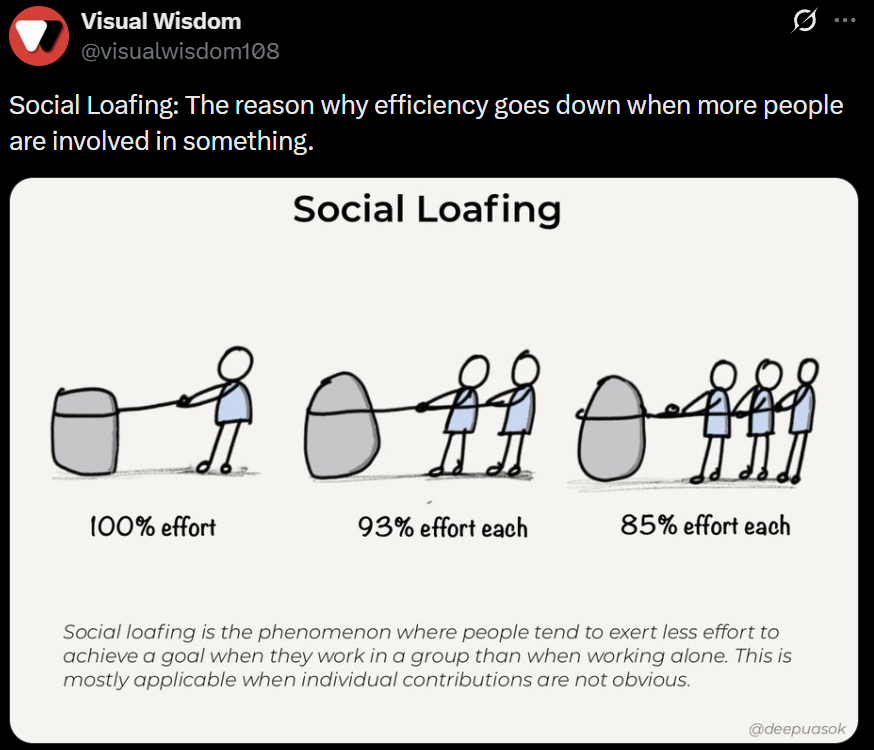
- Ringelmann Effect: This phenomenon occurs when an individual's contribution decreases as the group size increases. In a tug-of-war experiment, the force an individual could exert dropped to 65% when in a group of 7 and to 61% when in a group of 14.
- Diffusion of Responsibility: If a design team is too large, complacency sets in with the mindset of "someone else will review it later," increasing the risk of missing serious bugs.
- Optimal Team Size: For complex tasks, small modular teams of 4 to 8 members achieve the highest per-person efficiency. Large teams for large-scale projects must be assigned clear R&R (Role & Responsibility) per divided module to prevent negligence.
- In the global semiconductor supremacy race, the departure of core design personnel directly leads to the leakage of a company's future value.
- The traditional 'manager, executive promotion' model often turns top engineers into inept managers or forces them into roles they are not suited for.EB%A1%80">7.1 Technical Ladder Case Study
- The traditional 'manager, executive promotion' model creates an environment where top engineers become inept managers or engineers stuck at a specific rank for life.
- NVIDIA (IC vs Manager Track): The Individual Contributor (IC) track is operated completely on par with the Manager track. Engineers at IC6 (Principal) and above receive executive-level compensation based solely on their technical depth, without managerial responsibilities.
- Edgar Schein's Career Anchors: Engineers primarily anchor their careers on 'technical/functional competence'. The best retention strategy is to challenge them with projects pushing their technical limits, rather than forcing them into management roles.
- External Equity: This refers to comparison with market rates. Globally, companies like NVIDIA and TSMC are trending toward binding engineers to the company's fate through stock-based compensation (RSU/RSA).
- Internal Equity: Consistency in compensation across similar roles within the organization. The performance-based pay competition between Samsung Electronics and SK Hynix demonstrates how perceptions of such equity can trigger talent mobility.
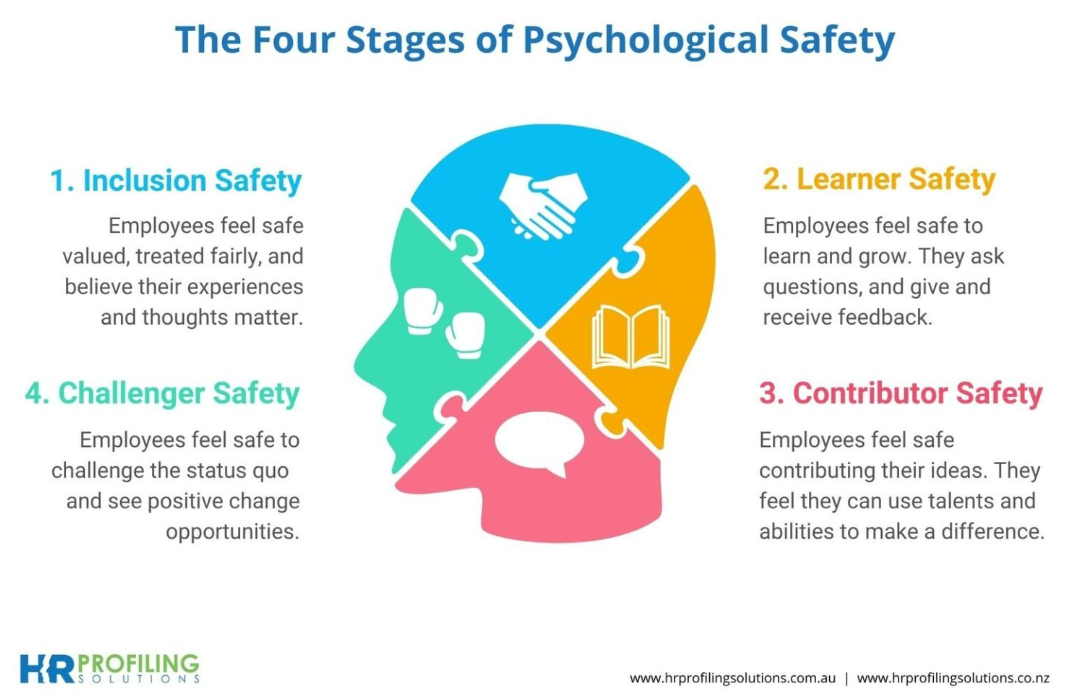
- In R&D organizations where creative design is crucial, Amy Edmondson's 'psychological safety' is the fertile ground for innovation.
- Investing in those who challenge the status quo and creating systems that prevent failure from recurring. That is the role of management leaders in organizations that foster sustainable innovation.
- Failure Forum: A culture where designers openly share their mistakes and turn them into collective learning opportunities is the fastest way to transform technical tacit knowledge into explicit knowledge.
- Learning Zone: When high performance accountability combines with high psychological safety, engineers step out of the 'anxiety zone' and into the 'learning zone' where they attempt innovation.
- Blameless Post-mortems: When a project fails, focus on 'what system failure occurred' rather than 'whose fault it was' to prevent recurrence.
- Task Conflict: This is a technical debate over design approaches. It is 'constructive conflict' that stimulates critical thinking and improves the quality of the deliverables.
- Relationship Conflict: This is confrontation stemming from personal personality differences. This is 'destructive conflict' that drains team energy and must be stopped immediately.
- Negotiation Strategy: Moving beyond Distributive Bargaining, which simply 'divides the pie' in labor-management relations, we must advance to Integrative Bargaining, which 'grows the pie' through improvements in benefits or the work environment.
R · Rarity
9.1 Task Conflict vs. Relationship Conflict
8.1 The Impact of Failure Tolerance on Technological Innovation
8. Organizational Culture and Innovation: Psychological Safety
7.2 Compensation Equity and Talent Retention
7.1 Technical Ladder Case Study
7. Technical Talent Acquisition and Retention Strategy: Retention War
6.1 The Ringelmann Effect and Social Loafing
5. Team Effectiveness and Scale Issues: The Ringelmann Effect and Optimal Team Design
4. Decision-Making Traps and Organizational Behavior
This is the design for 'civil servant, public enterprise organizations',
not for technological innovation organizations.
Decline in average organizational capability
Innovation declines.
High performers' motivation disappears.
How to Ruin a Tech Company: What happens when you distribute member performance equally and implement a seniority-based personnel system?
3.2 Application of Modern Motivation Theory-%EC%A0%81%EC%9A%A9">3.2 Application of Modern Motivation Theory

3.1 B.F. Skinner's Theory of Learning and Performance Management
3. Organizational Behavior and Motivation
O · Organization
I · Inimitability
R · Rarity
T · Toughness
Task Conflict: Technical debates over design approaches.EA%B0%88%EB%93%B1">9.1 Task Conflict vs. Relationship Conflict
Conclusion: Enable engineers to focus on product innovation.
Leadership in the semiconductor industry requires the coexistence of cold, hard engineering analysis and a warm, humanistic philosophy. The core performance metric of semiconductor design, PPA (Power, Performance, Area), is ultimately achieved through the hands of engineers, and what moves those hands is the organization's systems and culture.The best PPA stems from the immersion and motivation of high-performing engineers.Strategic human resource management is not merely about managing people; it is a sophisticated engineering discipline where executives design environments (e.g., NVIDIA, 2021-2024) that can willingly grind human spirit into silicon."Ultimately, circuits are drawn by people." Only companies that remember this proposition will become the true winners leading the angstrom era.
Frequently Asked Questions
What does strategic human resource management mean for a semiconductor firm?
It follows the resource-based view: performance depends more on internal resources than on the external environment. The goal is to internalize unique technological capabilities, such as proven sub-3nm design experience, that competitors cannot easily replicate or buy.
How does Herzberg's two-factor theory apply to engineers?
Salary and benefits are hygiene factors: if they are lacking, employees become dissatisfied and leave, but having more does not automatically produce innovation. True motivation comes from intrinsic factors such as autonomy and a sense of accomplishment.
What are the three elements of Vroom's expectancy theory?
People act when they believe effort will lead to performance (expectancy), performance will lead to rewards (instrumentality), and the reward holds personal value (valence). All three beliefs must be present for motivation.
How is reinforcement theory applied to engineering teams?
Positive reinforcement gives immediate technical recognition and incentives for innovative IP or early flaw detection. Shaping breaks a complex development flow into milestones and rewards success at each stage.
Related reading
- Electronic Design Automation (EDA) Semiconductor Industry Outlook
- US EDA Export Controls: A Strategic Analysis of Semiconductor Design…
- What USD 5.7 Billion in EDA and IP Revenue Is Really Saying: The…
- Daily Silicon: NVIDIA $96.2B, AI Silicon and UCIe Design Shift
- What is VLSI CAD and EDA?: Electronic Design Automation
- International marketing: Selling my semiconductor products abroad