

There's a saying you hear in MBA strategy classes.
With sufficient data and the right framework, you can convince anyone.
The semiconductor business is no different.
However, the semiconductor business... has many competitors and incurs greater costs than any other industry, making strategic planning even more critical than in other sectors.
Introduction: Beyond Circuit Design, Enter the Era of Business Design
For over 60 years, the semiconductor industry has achieved unprecedented growth by following the technological milestone known as 'Moore’s Law'.
However, as leading-edge processes enter the sub-2nm range and encounter physical limitations, the simple increase in transistor density no longer guarantees business success.
As of 2026, the semiconductor industry stands at a major paradigm shift from 'More Moore' to 'More than Moore'.
1. Strategic Management Framework Summary
To win in industrial competition, "Know yourself and know your enemy."
Apply the Divide and Conquer approach through two analyses: external and internal.
1.1 External Analysis
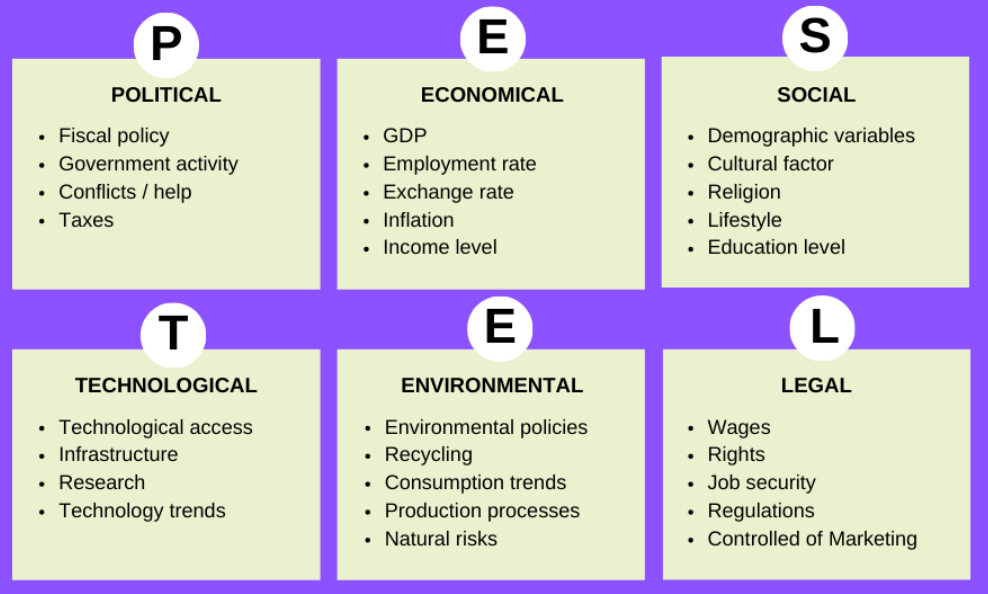
- PESTEL Analysis: Analyzes the impact of the macro environment (Politics, Economic, Society, Technology, Environment, Law) on the industry.
- In the semiconductor industry, geopolitical risks (Political) and micro-process limitations (Technological) are key variables.
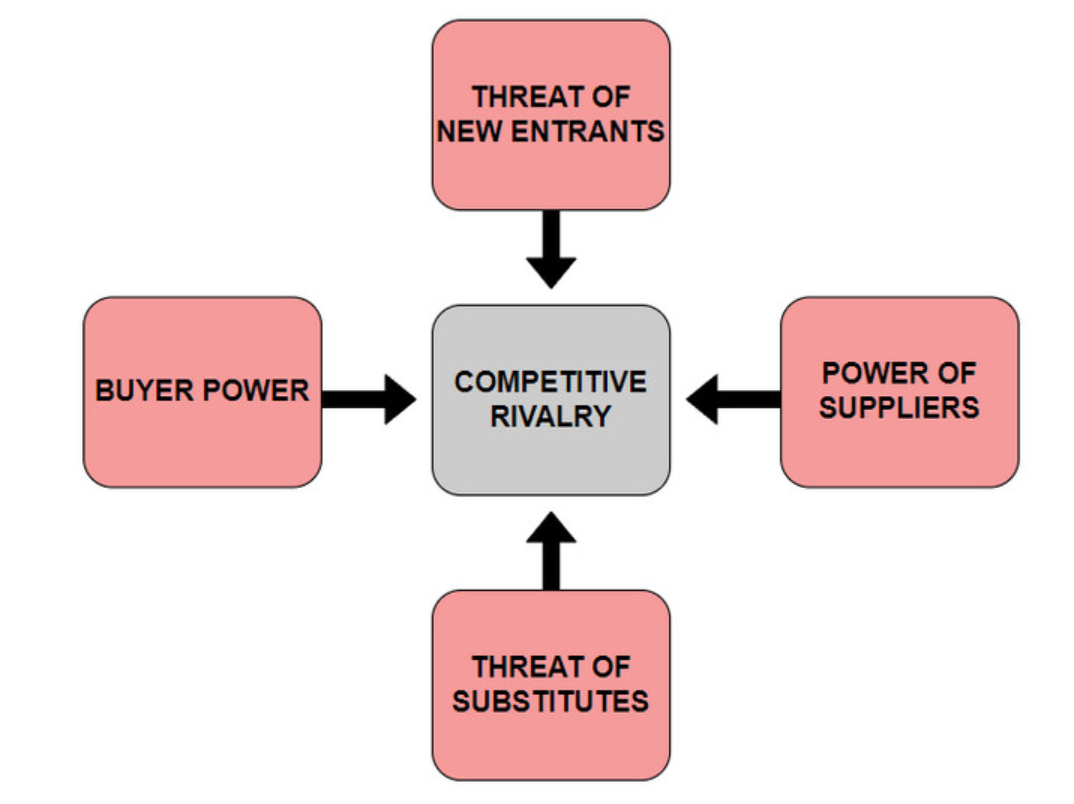
- Porter's Five Forces: Examines the five forces determining the intensity of competition within an industry(existing competition, bargaining power of suppliers/buyers, threat of new entrants/substitutes).
- This model excels at understanding an industry's profit structure.
1.2 Internal Analysis
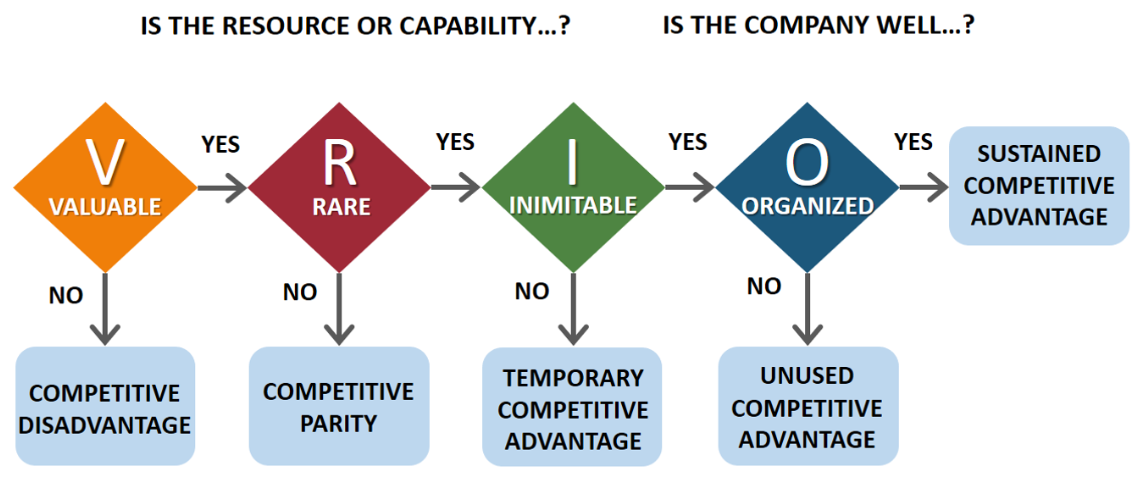
- VRIO: Evaluates the Value (V), Rarity (R), Inimitability (I), and Organization (O) to identify sources of sustainable competitive advantage.
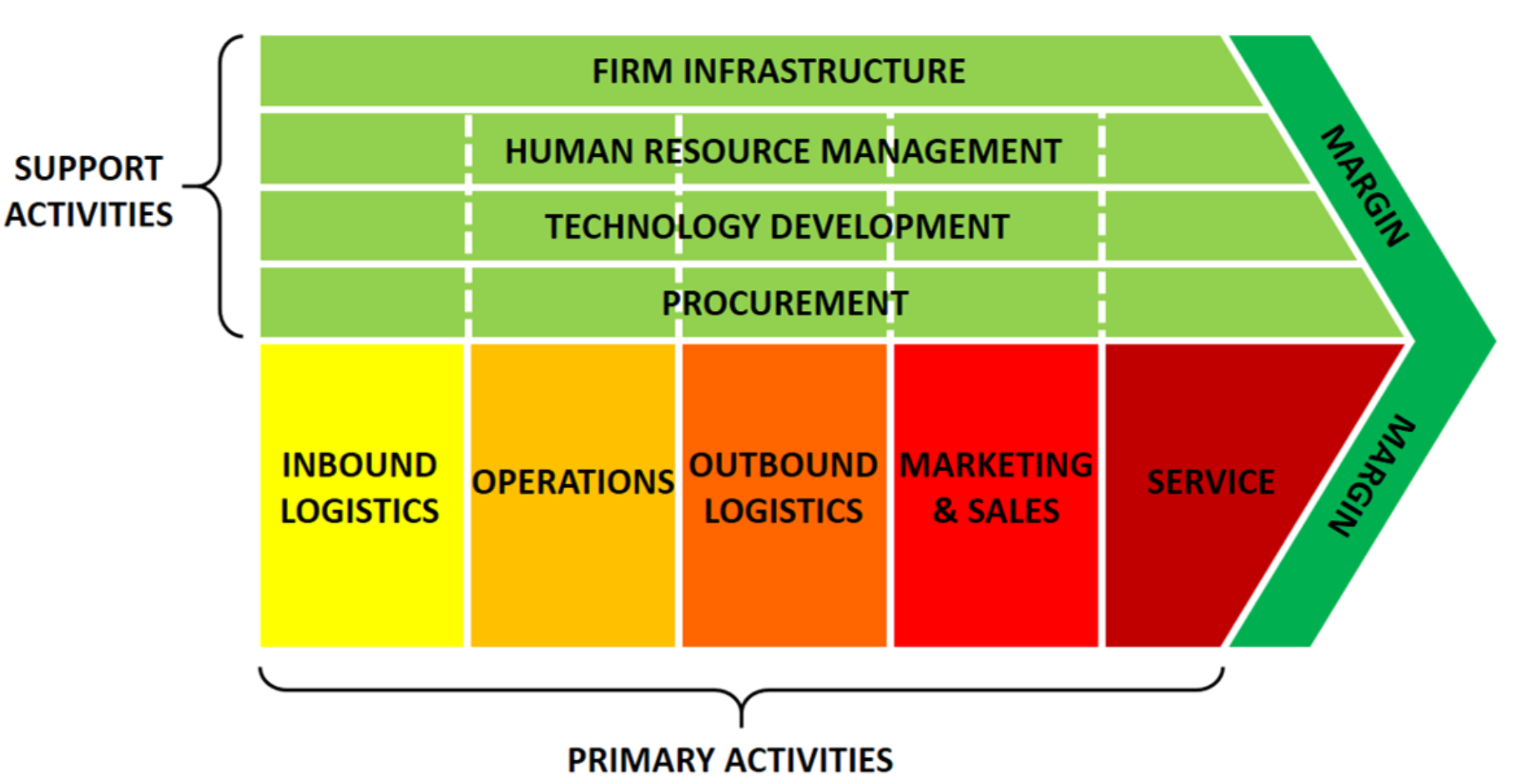
- Value Chain: Analyzes activities from R&D to manufacturing, packaging, and marketing, breaking them down to identify bottlenecks(Chokepoint) where value is added.
1.3 Strategy Development and Portfolio Management
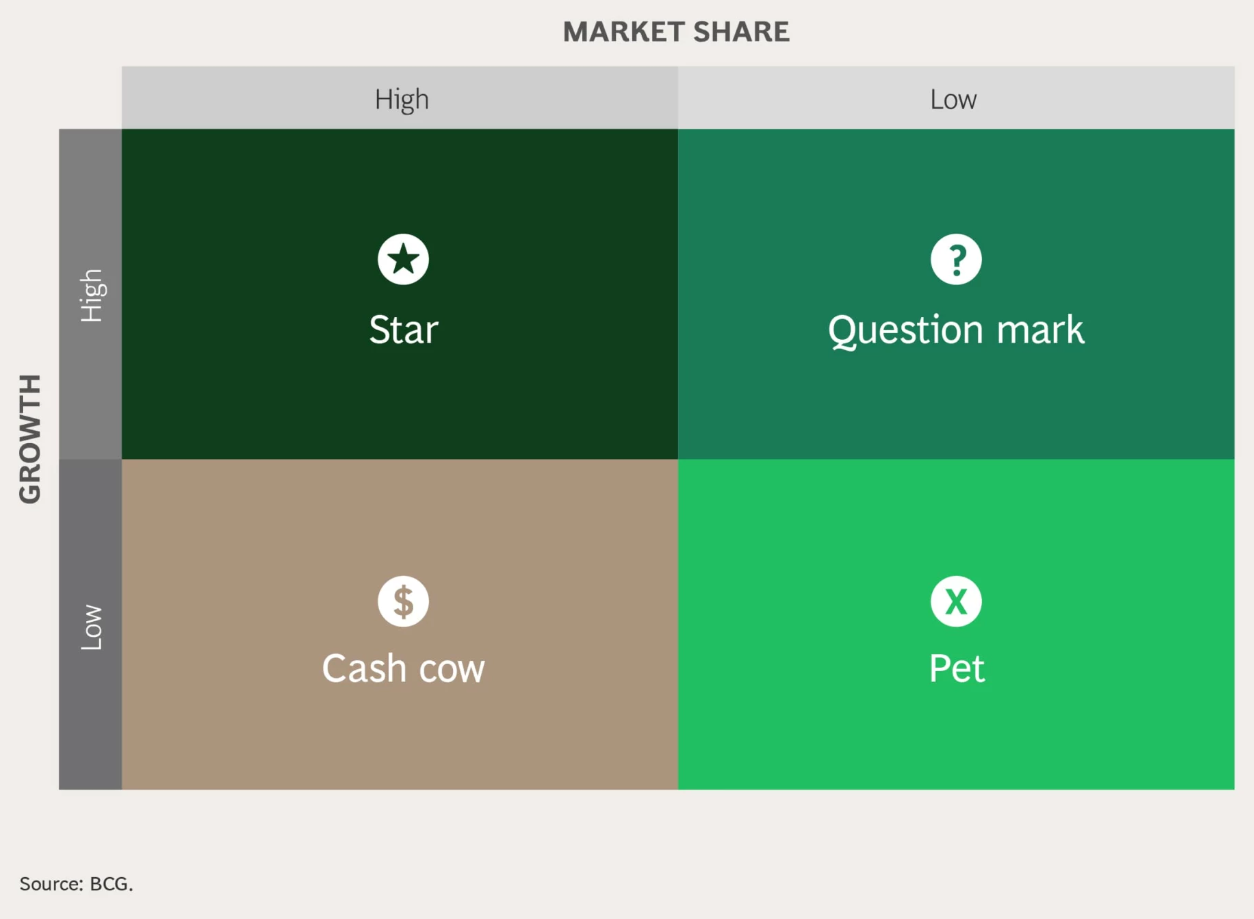
- BCG Matrix: Classifies business units into Stars, Cash Cows, Question Marks, and Dogs based on market growth rate and market share to determine resource allocation priorities.
- X-axis: Company's market share relative to competitors
- Y-axis: Annual growth rate of the market
- Star: High growth + High market share. Requires plans for future investment to become a Cash Cow.
- Cash Cow: Low growth + High market share. Current Cash Cow. Need to maintain profitability while keeping expenditures minimal
- Question mark: High growth + low market share. Must consider investment or withdrawal
- Pet (Dog): Low growth + low market share. Need to withdraw or minimize the business.
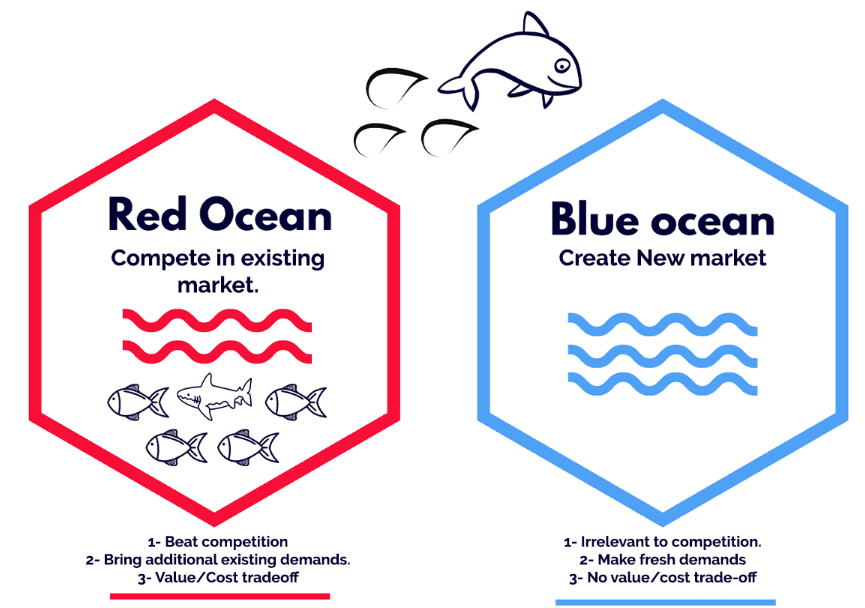
- Blue Ocean Strategy: Pursue 'value innovation' that simultaneously achieves differentiation and minimal investment by escaping the fiercely competitive Red Ocean.
- Dynamic Capabilities: Refers to a company's ability to reconfigure resources and maintain competitive advantage in rapidly changing environments.
- Key Components:
- Sensing: Detecting market changes, opportunities, and threats (e.g., data analysis, customer feedback).
- Seizing: Capturing opportunities through investment and commercialization (e.g., new product development).
- Transforming: Reallocating organization and resources for continuous innovation (e.g., restructuring).
- Example: Amazon identifies trends through e-commerce Sensing, Seizes opportunities with new services like Amazon Web Services (AWS), and practices Transforming through cloud migration.
2. Geopolitical Scenarios and PESTEL Analysis: The Technology Hegemony War of 2026
Semiconductors are no longer merely economic goods but core assets of national security.
2.1 Politics
The U.S. CHIPS Act and export restrictions on China are dividing the global supply chain into two blocs.
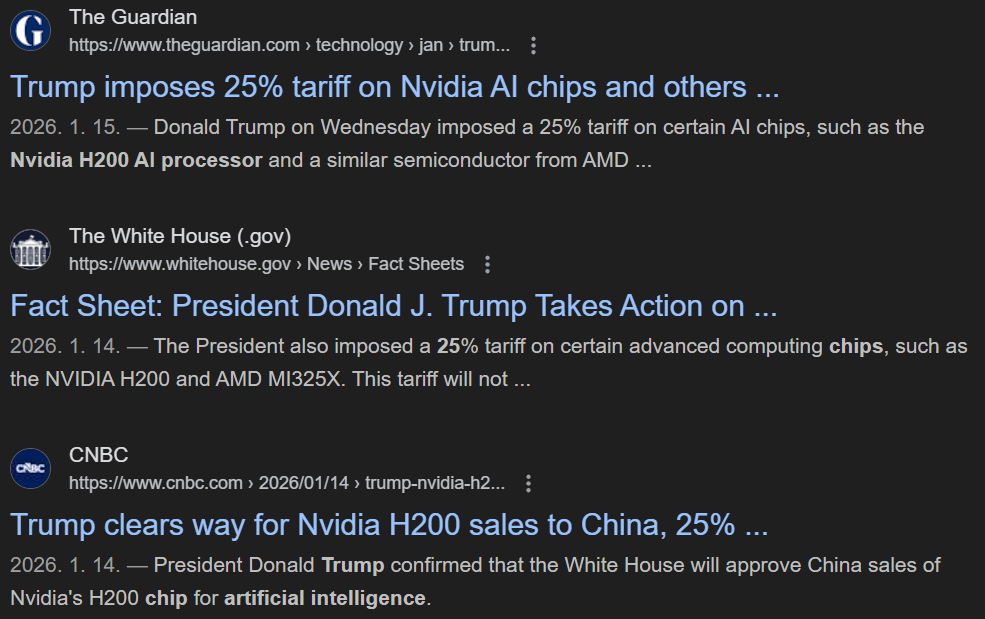
- 2026 Scenario: Selective Decoupling is expected to be a key agenda item at the U.S.-China summit scheduled for April 2026. Notably, the U.S. is attempting to convert its technological advantage into revenue through unprecedented policies, such as charging a 25% commission on sales of AI chips(such as NVIDIA H200) to convert technological superiority into security gains.
2.2 Economic
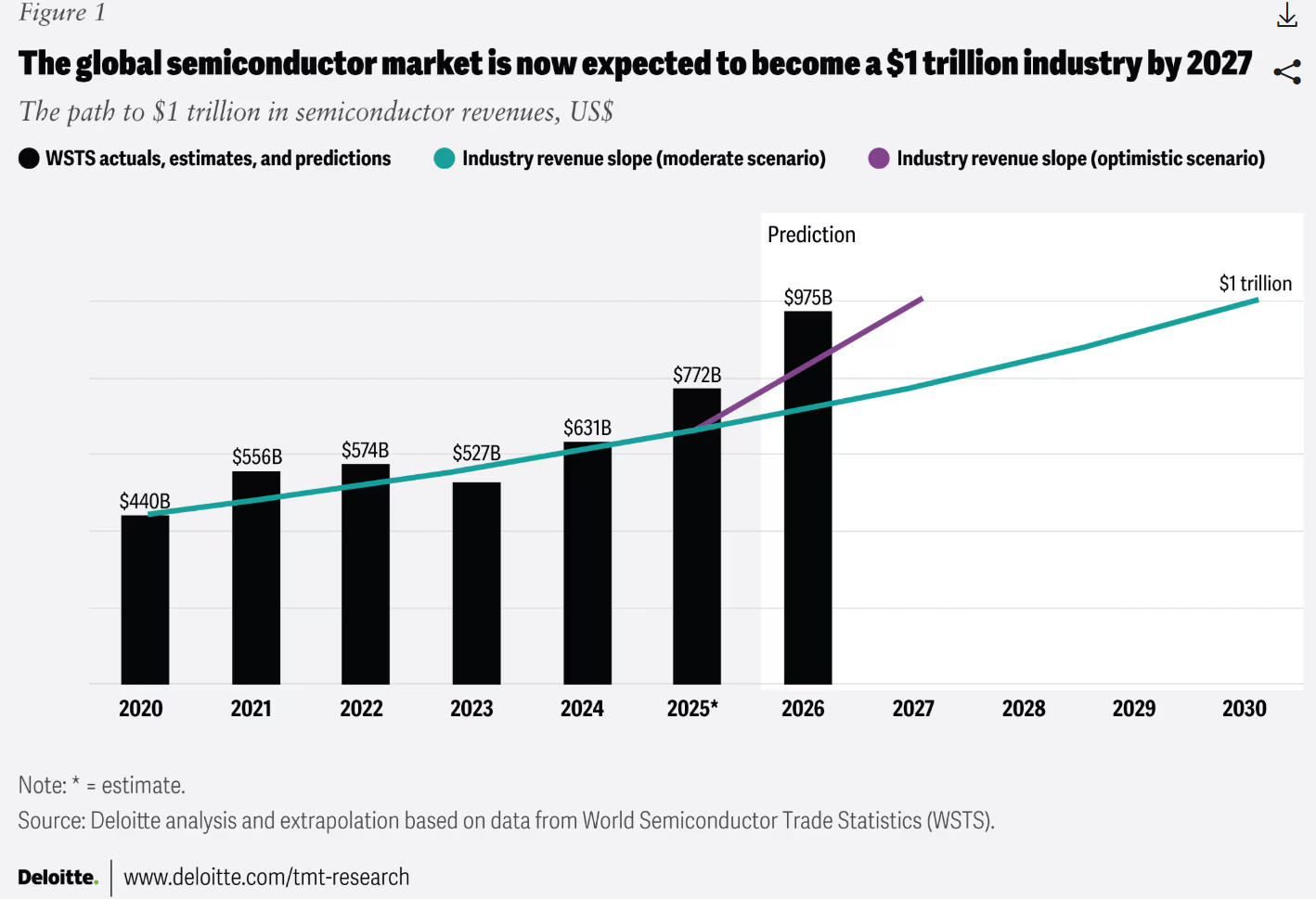
Global semiconductor sales are projected to reach a historic peak of $975 billion in 2026, with growth expected to approach 26%.
4. Core Competency Analysis: NVIDIA and Apple's Dominance from a VRIO Perspective
4.1 NVIDIA: The 'Path-Dependent' Advantage of the CUDA Ecosystem
NVIDIA's value extends beyond GPU hardware, stemming from its software platform CUDA.
- Valuable & Rare: CUDA is the de facto standard for AI development, used by over 90% of developers worldwide.
- Inimitable: The tens of thousands of open-source libraries and skilled developer army accumulated over the past 20 years represent assets with 'social complexity' that competitors cannot easily replicate in the short term, even with hundreds of billions of won in investment.
- Organization: NVIDIA pours over $10 billion annually into AI chip design and infrastructure integration (Blackwell, Rubin platforms), maintaining an optimized organizational structure where 45,000 employees focus on the AI accelerator ecosystem.
4.2 Apple Silicon: VRIO of Vertical Integration
Apple's M-series chips represent the pinnacle of its differentiation strategy, pursuing perfect harmony between hardware and software.
- VRIO Analysis: Proprietary chips optimized for its own OS (macOS, iOS) deliver power-to-performance (Watt-per-Performance) that is difficult for competitors to replicate. Furthermore, its supply chain management capability, which exclusively secures TSMC's leading-edge process capacity, sustains its competitive advantage.
5. Technology Management Strategy: The Limits of Moore's Law and 'Chiplet Economics'
The era of fitting all functions onto a single chip (monolithic) is fading. Now, the core of value creation lies in chiplet technology—splitting and combining components.
6. Strategic Drift and Leadership Case Analysis
6.1 Intel's Lost Decade and Strategic Drift
Intel was once the undisputed leader in the microprocessor market, but it experienced strategic drift by failing to keep pace with changing market trends.
- Critical Mistakes:
- Rejected iPhone chip design/process in 2006
- Failed smartphone AP chip business from 2008-2016
- Discontinued GPU project in 2010
- Failed entry into sub-10nm process technology
- Relinquished stake in OpenAI in 2017
- Failed Itanium server architecture business from 2001-2021


7. Execution and Performance Management: People, Culture, and OKR/KPI
7.2 Performance Metrics (KPI/OKR)
- Production Efficiency: Manage process completeness through metrics like Yield Rate, OEE (Overall Equipment Effectiveness), and Scrap Rate.
- Market Demand: Forecast future sales trends using the Book-to-Bill Ratio. NVIDIA invests approximately 21.5% of its revenue in R&D to maintain its technological lead.
8. Conclusion
The semiconductor industry is now moving beyond engineering triumphs toward victories in Business Architecture. Jensen Huang pointedly remarked, "TSMC learned to dance with over 400 partners, while Intel danced alone." This suggests that ecosystem dominance offers a stronger competitive advantage than mere chip performance.
- Platform Lock-in: Provide integrated solutions combining software and services beyond hardware. (Enclose customers within your ecosystem. Like NVIDIA's CUDA or Synopsys' PrimeTime.)
- Build a Secure Supply Chain: Treat geopolitical risks as a constant and secure a resilient, globally distributed supply chain.
- Embrace Ambidexterity: Maintain balance between process efficiency that generates today's cash flow and disruptive innovation that will change tomorrow's paradigm.